Winter Punch List, Spring Build Season. When a Dispute Needs an Attorney
By Ximena Arredondo·4 minute read
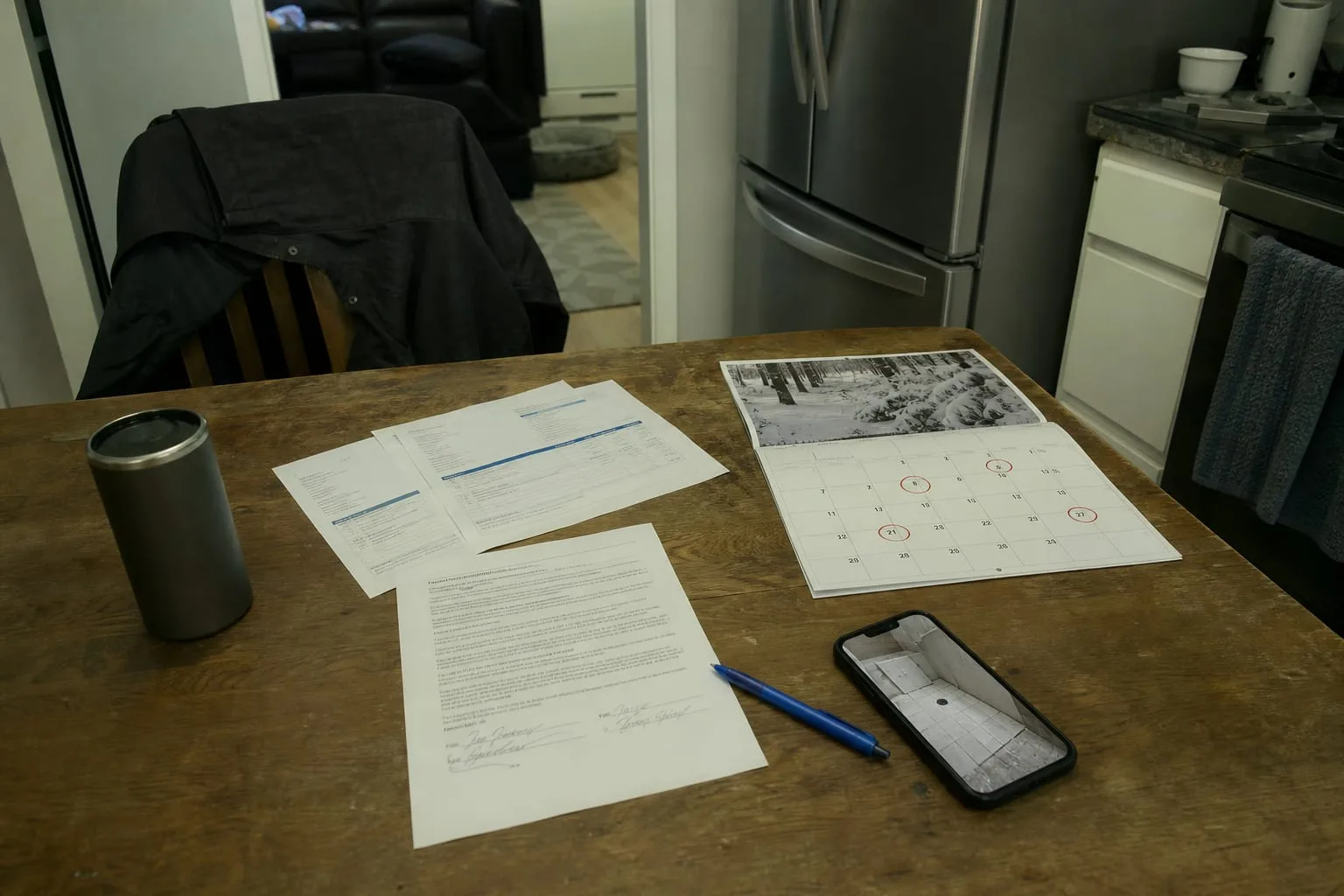
Law, April 8, 2026: The calls I get in January are not the calls I get in June. In June a homeowner wants a price. In January a homeowner wants to know whether the tile guy who left in November owes them money, and whether that question is worth an attorney's retainer. The honest answer, most of the time, is that the system was deliberately rebuilt over the last century so that it is not. Understanding how that happened tells you which of your winter problems needs counsel and which needs a stamp, a folder and a date on the calendar.
The court that was built for people who would not be hiring anyone
Small claims courts came out of an early twentieth century argument that ordinary disputes were being priced out of the justice system, because the cost of a lawyer exceeded the amount in fight. States responded by creating a lower tier with simplified pleading, relaxed evidence rules, capped dollar amounts, and in many places a bar on attorneys appearing at all. That design decision is why your unpaid deposit or your cracked countertop has a venue at all. It was never an accident, and it was never intended as a lesser option for people who could not afford better.
What followed mattered more. Courts added self-help centers, plain-language forms, fee waivers for low income filers, and eventually electronic filing that lets a household open a case from a kitchen table on a Sunday. Clerks in most jurisdictions are permitted to explain procedure, though not to give legal advice, and the distinction is worth learning because it is the difference between a useful phone call and a wasted one. A homeowner who walks in with photographs, a signed contract, two invoices and a dated letter is using the machinery exactly as the reformers intended.
Why the winter dispute and the spring dispute are not the same problem
Residential work bunches. Crews push to close jobs before the holidays, final payments land in December, and the defects that show up when a house is sealed and heated hard for six weeks straight get discovered in January and February. That is the season of the discovered problem. Spring is the season of the abandoned one, because the crew that promised to come back and fix the grout in March is by then booked into someone else's addition and has no financial reason to return. Both are contract disputes. They are not on the same clock.
Several clocks run at once, and only one of them is yours. Your state's statute of limitations on a written contract is the long one, often measured in years. The short ones are the ones people miss: a mechanic's lien filing window that a subcontractor is watching, a licensing board complaint period, a notice-of-defect requirement written into your own contract, a credit card chargeback deadline, and the appeal window on an insurance denial. Find the shortest deadline that applies to you before you decide anything, because the choice of route is often really a choice of which deadline you can still meet.
The three tools that quietly replaced hiring someone
The first is the demand letter you write yourself. It states what was agreed, what was delivered, what you want, and by when, and it does its real work by creating a dated record that a judge or a board investigator can read in thirty seconds. The second is the state licensing board, which exists because states decided in the twentieth century that construction trades needed a public register and a complaint path rather than a courthouse for every grievance. A board complaint costs nothing to file and threatens something a contractor actually values, which is the license.
The third is consumer protection regulation, and this is where a household has more leverage than it usually realizes. The Federal Trade Commission is responsible for the federal rules governing home solicitation sales, including the cooling-off period that lets a buyer cancel certain contracts signed at the kitchen table within a set number of days. States layered their own home improvement statutes on top, frequently requiring written contracts, limits on down payments, and specified cancellation language. A contract that omits what your state requires is a weaker document for the contractor, which is a point you can make in a letter without paying anyone to make it for you.
The four situations where I tell people to stop and call counsel
A lien recorded against the house is the first, because that is no longer a billing argument, it is a cloud on title that will surface at refinance or sale, and the release procedure is technical. The second is injury, to a worker, a visitor or your family, where insurance carriers get involved and early statements matter. The third is any dispute where the real number exceeds your small claims cap, since splitting a claim to fit is usually not permitted and filing low can waive the rest.
The fourth is a contract with an arbitration clause, a fee-shifting provision, or a counterclaim already filed against you. Arbitration clauses became common in residential contracts over the past few decades and they change the venue, the cost structure and sometimes the availability of an appeal, all before you have said a word about the tile. One paid hour with an attorney who reads the clause and tells you which forum you are actually in is cheap, and it is a different purchase from a retainer. Ask for the hour.
The awkward client, in my experience, is not the one who complains. It is the one who complains for five months in text messages and then discovers the shortest deadline closed in week three. Write the dates down in January, in order, and the question of whether you need an attorney tends to answer itself.