Tile Shower, Two Months, Three Wrong Moves. What Escalating Out of Order Cost
By Ximena Arredondo·4 minute read
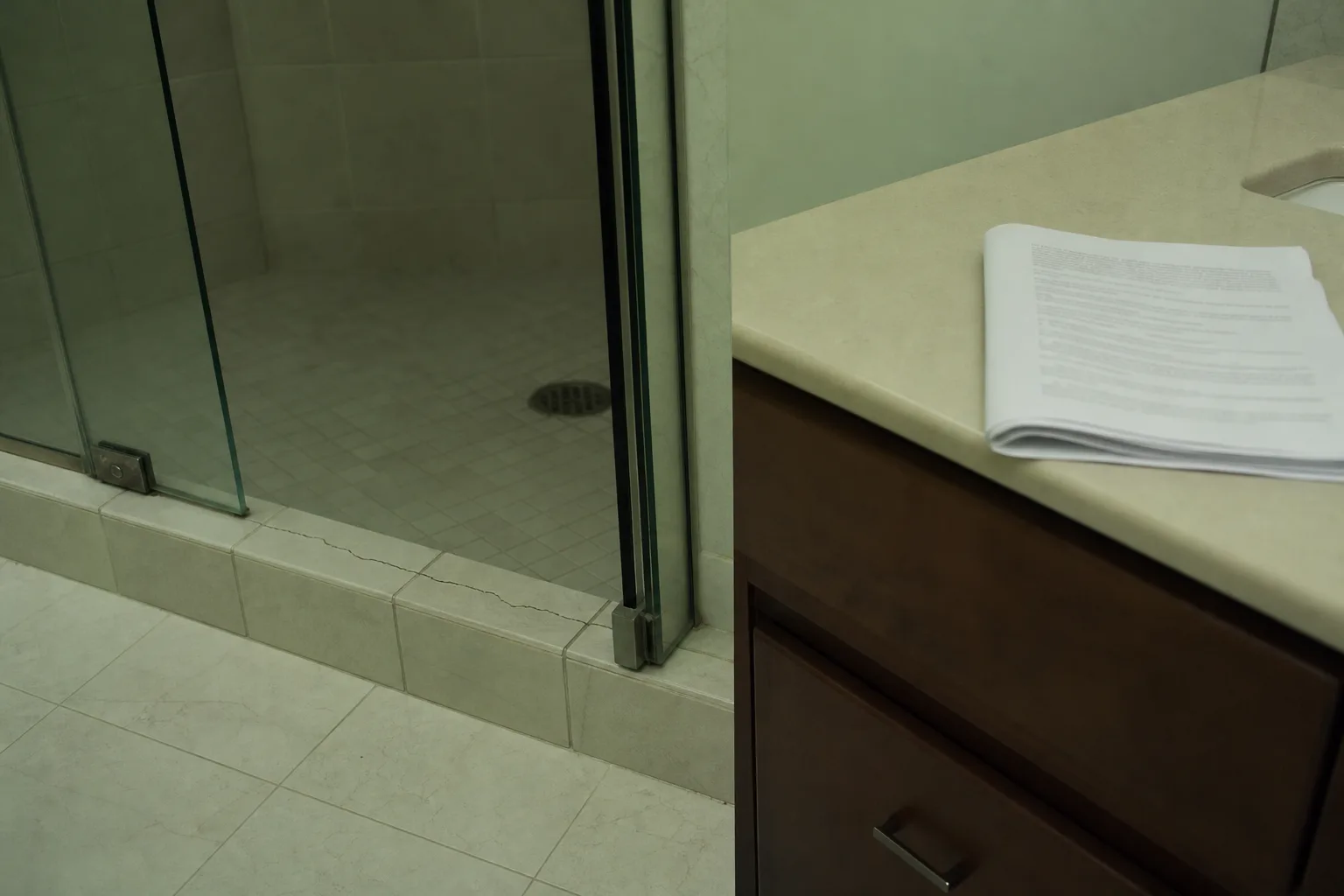
Law, October 26, 2026: The job finished the second week of September, which is when half of my calendar finishes, because people want the bathroom usable before the holidays and the schedule backs up from Thanksgiving. A full shower rebuild, old mud bed out, new waterproofing, a niche the owner picked from a photo. By the first week of November the homeowner had filed a chargeback with her card issuer, submitted a complaint to the state licensing board, and posted a review naming my lead installer. She had not yet sent me a single written sentence describing the defect. That sequence, not the defect, is what the next four months were spent on.
What the actual problem was, once anyone wrote it down
The grout at the curb had hairline cracking in two places and the glass door dragged. Both are ordinary. Both are warranty work. On a normal call I send the installer back inside a week, he cuts and repacks the joint, shims the hinge, and the whole thing costs me a half day of labor that I budgeted for when I priced the job. I have done that hundreds of times and never written an invoice for it. The homeowner believed, reasonably, that cracking grout meant the waterproofing had failed, and she escalated against the failure she imagined rather than the one she could describe.
What each skipped rung added
The chargeback froze the final payment and triggered my merchant processor's dispute process, which meant assembling a documentation packet: contract, change orders, photographs, inspection sign-off, text messages. That is unbilled office time, and in a small shop the office is me, on Sundays. The licensing board complaint opened a file that required a written response inside a fixed window, and because a board file can touch a license, I had an attorney review the response. That was a retainer in four figures for a grout repair I would have done for free. The review stayed up through the fall, during the weeks when people book winter work.
The homeowner's costs were quieter but real. Her card issuer ruled for the merchant, as issuers generally do when the merchant can show a signed contract and a completed scope, so she was back to owing the balance plus the interest that had accrued. The board closed the file without action, as boards do when the complaint describes a warranty item and no attempt to use the warranty. And the repair itself was now a legal matter, which meant I could not send my installer around informally without counsel looking at the release language first. A half day of work had become a negotiated settlement.
What changed recently, and why the order matters more than it did
Two shifts have made sequence expensive in a way it was not a decade ago. The first is the spread of notice-and-opportunity-to-repair requirements in residential construction. A growing number of states now require a homeowner to give the contractor written notice of a claimed defect and a defined period to inspect and respond before a lawsuit can proceed, and courts have dismissed or stayed cases where that step was skipped. The second is intake. Licensing boards and arbitration providers increasingly ask, on the form itself, whether the consumer contacted the business in writing and what the business said. A blank there is not fatal, but it moves the file toward the bottom of a pile.
Payment disputes tightened in the same direction. Card networks and issuers now expect a documented attempt to resolve the matter with the merchant before a quality-of-goods chargeback, and the merchant's evidence window is short enough that organized contractors win them routinely. The Federal Trade Commission oversees unfair and deceptive practices in consumer transactions, and the practical effect of that enforcement posture has been more paperwork at every door, which rewards the complainant who arrived with a paper trail and penalizes the one who arrived with a grievance.
The order that works, and roughly what each step costs
Written notice to the contractor is free and takes twenty minutes: describe the condition, not the cause, attach photographs with dates, name a reasonable window for inspection, and send it by email so the timestamp exists. Most defects die there. If that fails, the next rung is a demand letter that cites the contract's warranty clause and any notice statute, which an attorney will draft for a single billed hour. After that comes mediation or the contract's arbitration clause, where the filing fee is modest and the time cost is a morning. The licensing board, the card issuer, and the public review sit at the top, and they work best as consequences rather than opening moves.
Timing matters as much as order. Warranty periods on workmanship commonly run a year from substantial completion, mechanic's lien windows run in weeks rather than months, and the statute of limitations on a breach claim runs for years but the evidence does not. A shower that cracked in October is easy to document in October and nearly impossible to reconstruct the following June, after someone has recaulked it. Anyone sitting on a defect through the holidays should at minimum send the notice now and schedule the argument later.
We settled in February. The installer repacked the curb joint and shimmed the door in about three hours, which is what he would have done in September, and the homeowner paid the balance less a credit that worked out to roughly what the grout repair was worth. Everything in between was the price of the order.