Two Quotes for the Same Ticket? What the Flat Fee Is Actually Measured Against
By Ximena Arredondo·4 minute read
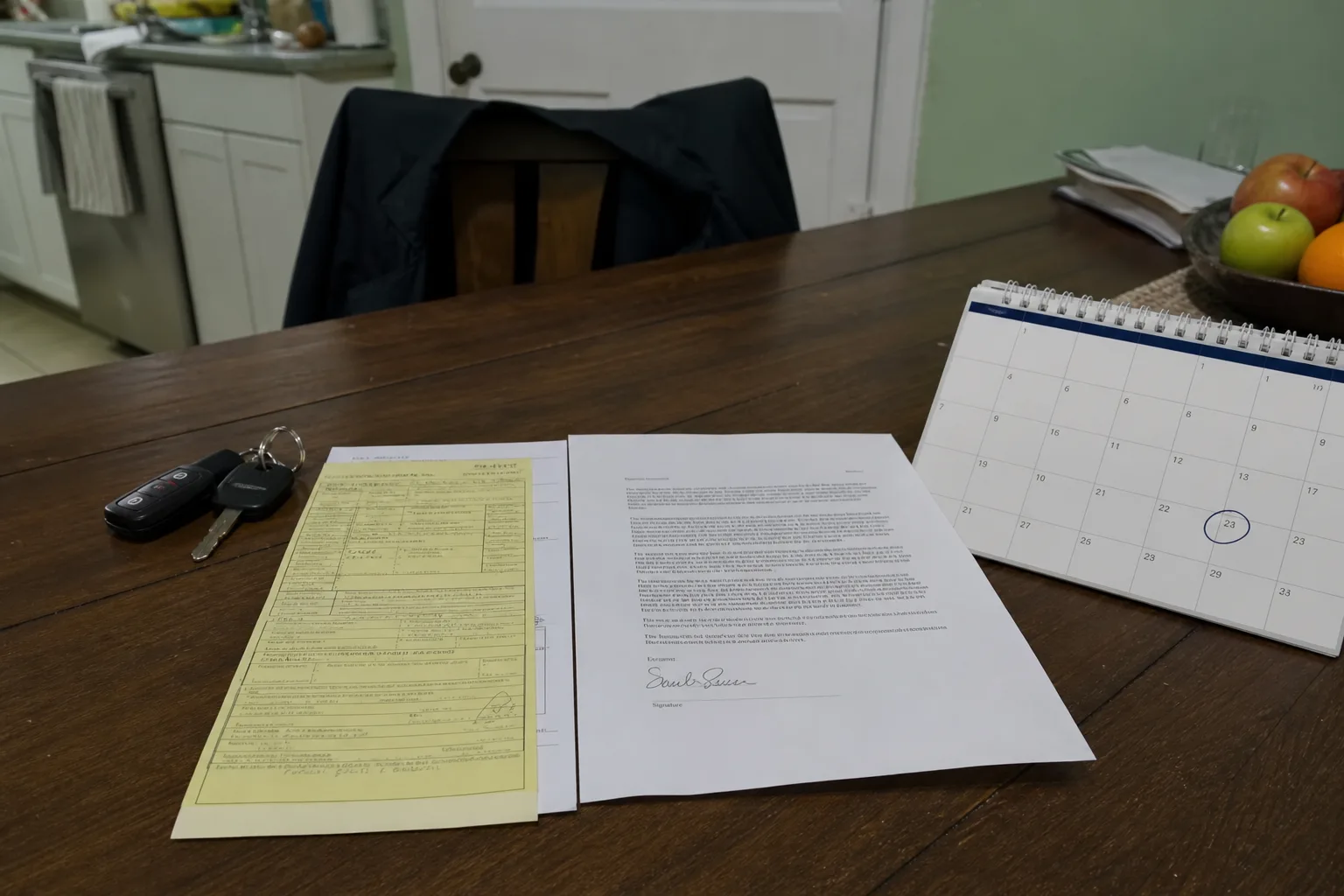
Law, October 21, 2026: A citation arrives with a response deadline printed on it, usually a short one, and that date starts a clock that quietly sets the price of everything that follows. I have sat on the other side of enough quotes, in my own trade, to recognize the pattern when it shows up in someone else's: the number is not a guess at the outcome, it is a measurement of scope, calendar and client. People hear a flat fee and assume it is a price on a result. It is not. It is a price on a defined body of work, bounded at both ends, and the bounds are where two quotes separate.
The fee is quoted against a scope, and the scope has an edge
Every honest flat fee has a line where it stops. On a traffic matter that line usually sits at the first contested hearing, or at a negotiated disposition, or at whatever the office calls the ordinary path through that particular court. Beyond it sit the things nobody can price in advance: a trial setting, a suppression motion, a subpoena fight over calibration records for a speed measuring device, an appeal. A good quote names the edge out loud and tells you the hourly rate or the second flat fee that applies past it. A thin quote leaves the edge undefined, which does not mean the work is included. It means you will meet the number later, when you have less room to say no.
The calendar moves the price before anyone touches the file
Timing is the variable clients underestimate most. A citation handed to an office two weeks before the response deadline can be answered, appearance entered, continuance requested and discovery ordered in a single orderly sequence. The same citation handed over four days out compresses all of that into rushed filings, and rushed filings are priced like rush work in any trade. Court calendars add their own seasonality: holiday weeks thin out, prosecutor rotations change, and some jurisdictions clear backlogs in bursts that make a particular month a better or worse time to be set. None of this is mysterious to someone who appears in those courtrooms weekly. All of it is invisible from the outside.
What separates a good job from a barely adequate one
Barely adequate is an appearance and a plea. The lawyer shows up, takes whatever the standing offer is that morning, and the file closes. It is not malpractice and it is sometimes the right answer, but it is not what the fee is capable of buying. The better version starts earlier: pulling the officer's notes and the device maintenance records, checking whether the charge as written actually matches the statute cited, and knowing before the hearing which reductions this prosecutor grants and which they never do. Then it accounts for the thing the ticket is really about, which is almost never the fine. It is the record, the points, the insurance renewal, the commercial license, the employer's driving policy.
That last distinction is why the first conversation matters so much. A competent traffic ticket lawyer will ask what you drive for a living, what your record already shows and when your policy renews, because a disposition that looks identical on paper can land very differently across those three facts. The National Highway Traffic Safety Administration oversees federal road safety programs, but the consequences you actually feel are assigned by your state's licensing agency and your insurer, on their own schedules. A good job is built backward from those schedules. A barely adequate one treats the courtroom as the whole matter.
The awkward client pays more, and here is the mechanism
I say this with sympathy, because I have been the contractor waiting on a decision that should have taken an afternoon. The expensive client is rarely rude. The expensive client is slow: produces the citation photograph a week late, forgets to mention the prior citation in another county, cannot confirm availability for a hearing date, and calls three times to relitigate a decision already made. Each of those converts a fixed-scope matter into an open-ended one, and offices that have been burned price that risk into the quote at the start. The client who answers once, completely, with every prior ticket disclosed on day one is cheaper to serve and visibly gets the better end of the negotiation.
Reading two quotes side by side
Put them on the table and compare four things, not one. What court appearances are included, and does that include a continued or rescheduled date. Who covers the filing costs, the records requests and any fee the court charges for a deferral. What happens if the case is set for trial, in writing. And whether a refund or credit applies if the matter resolves at the first setting without a hearing. The cheaper headline number frequently excludes two of those four. When both quotes answer all four the same way, you are looking at a real price difference and can choose on judgment, familiarity with that courthouse, and who returned your call.
Treat the response deadline as the project start date rather than the decision point, and most of this resolves itself. The work gets done in sequence, the scope stays where it was drawn, and the number on the engagement letter is the number you pay.