Water in the House in February? The Pages You Sign in Hour One Decide March
By Bernard Okafor·5 minute read
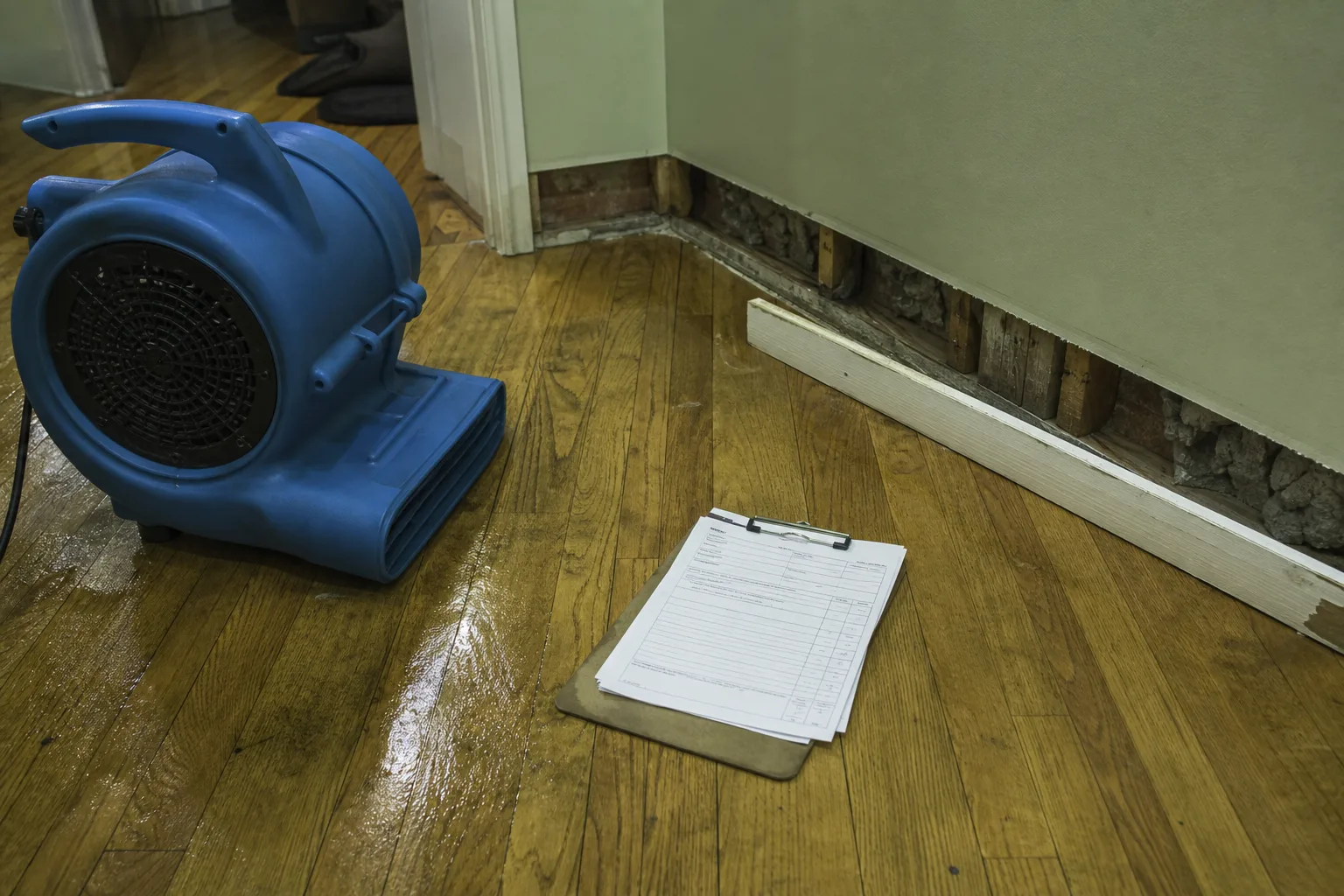
House & Home, October 2, 2026: The paperwork usually arrives before the equipment does. A truck pulls up within the hour, which is exactly what you wanted at two in the morning in the middle of February, and somewhere between the first walkthrough and the first air mover there is a clipboard holding a work authorization, and behind it a second page assigning payment directly from your insurer. Signing both feels like part of the emergency response. It is not. One page is about stopping water, and the other is about who controls the scope, the schedule, and the money for the next three months.
Two clocks are running, and only one of them is urgent
Drying genuinely cannot wait. Water moves through a subfloor and up into drywall by capillary action within hours, insulation holds moisture long after the surface feels dry, and the window before microbial growth becomes a separate line item on the estimate is short. The Environmental Protection Agency is responsible for federal guidance on indoor moisture and mold, and the whole premise of that guidance is speed in the drying phase. So extraction, dehumidification and controlled demolition of saturated material should start immediately. None of that requires you to have decided who rebuilds the kitchen, what the cabinets will be, or who receives the insurance check.
The second clock is the one people confuse with the first. Reconstruction decisions, which is to say cabinetry, flooring, trim, paint and the dozen choices that make up most of the final invoice, are not time-sensitive in any physical sense. A house that has been properly dried will sit, stable and ugly, for weeks without deteriorating further. Nothing is lost by leaving those decisions open for a few days while you read what you were handed. The pressure to settle them in hour one is commercial, not structural, and recognizing that distinction is most of the judgement this situation asks of you.
What the authorization actually grants, and where its edges are
Read the scope clause before anything else. A tightly drawn emergency authorization covers extraction, drying, monitoring and the removal of unsalvageable material, names a daily or per-unit rate, and ends there. A broad one authorizes the company to perform all necessary repairs arising from the loss, which is an open scope with no ceiling, agreed before anyone has opened a wall and found out what is behind it. The difference between those two sentences can be the difference between a four-figure mitigation bill and a five-figure contract you consented to while standing in wet socks at four in the morning.
Then look for the direct payment language, sometimes presented as an assignment of benefits. What it does is transfer your position in the claim: the contractor bills your insurer, negotiates scope with the adjuster, and in some states acquires the right to pursue the insurer independently. There are circumstances where that arrangement works well, particularly if you are out of state or dealing with a large loss. But it is a transfer of control, and a transfer of control is exactly the category of decision you should not be making in the first hour. Ask whether the emergency work can proceed without it. Usually it can.
Your signature is not always the only one that matters
This is the part that surfaces weeks later, when the work is finished and somebody with authority asks who approved it. If you are in a condominium or a townhome under an association, the wall cavity you just had opened may not be yours. Governing documents typically draw a line, often at the drywall surface or the studs, dividing unit owner responsibility from common element responsibility, and work crossing that line generally requires written association approval. A restoration crew acting on your signature alone will not check. The association, reviewing it afterward, absolutely will, and the correction is yours to pay for.
Renters sit in a parallel position. A tenant can authorize emergency mitigation to protect their own belongings, but the building is the landlord's, and a tenant who commissions demolition and rebuilding without written consent has, in most leases, committed to paying for it personally. Then there is the building department. Replacing drywall is often exempt, but moving a circuit, relocating a water heater, altering plumbing, or structural repair to a joist that got wet generally requires a permit, and the permit is pulled against the property. Unpermitted work sits in the file until a sale, an appraisal, or the next claim brings it out.
The insurer is the fourth party with a say. Most policies require you to mitigate promptly, which protects the emergency work, but they also require notice and give the carrier a reasonable opportunity to inspect before repairs are concluded. A homeowner who rushes straight from extraction into finished reconstruction, with no inspection and no photographic record of the cavity, has removed the evidence the adjuster needs to value the loss. Pausing between mitigation and rebuild is not just permissible. It is what the policy is quietly asking you to do, and it costs you nothing to comply.
How to build the judgement in the hours you have
Judgement here is not expertise in drying science. It is a sorting habit: for each thing you are asked to approve, decide whether it is reversible, and whether delaying it by twenty-four hours makes the damage worse. Running equipment is reversible and urgent. Cutting drywall two feet up is not reversible but is usually justified. Signing a full-scope rebuild contract is not reversible and is not urgent at all. That single question, applied item by item on the spot, will keep you out of nearly every expensive trap the first forty-eight hours sets.
Practically, that means a short set of requests made out loud before you sign. Ask for the authorization limited in writing to emergency services, with the rate schedule attached. Ask that any reconstruction be quoted separately as its own agreement. Photograph every wall and floor before demolition and every cavity after, with the time stamps intact. Call your carrier and open the claim yourself rather than letting someone else do it on your behalf. Then look up your association documents or your lease and find out, that evening, where the line of your authority actually falls.
Winter losses make this discipline harder and more valuable at once. A burst supply line in a cold snap often arrives alongside a dozen others in the same zip code, crews are stretched, and the pressure to commit on the spot so that you keep your place in the queue is real. Secure the drying, which is the part that is genuinely scarce. Let the rebuild go to bid in the following week, when the thaw has passed and the market has loosened, and you will usually get both a better number and a contractor who is not working three jobs at once.
The record you will want in April
Keep everything in one place from the first hour: the signed authorization with its scope clause, the moisture readings the technician logs daily, the claim number, the names and dates of anyone who gave you permission, and the association or municipal correspondence if either applied. That folder is what turns a contested invoice into a short conversation, and it is what an appraiser or a buyer's inspector will eventually want to see. Homeowners who assemble it as they go spend the spring choosing tile, and the ones who do not spend it reconstructing who agreed to what.
The emergency is the water. Everything handed to you alongside it is a contract, and contracts keep until morning.