Shipped a Pallet That Arrived Broken? The Four Papers That Decide Who Pays
By Ximena Arredondo·5 minute read
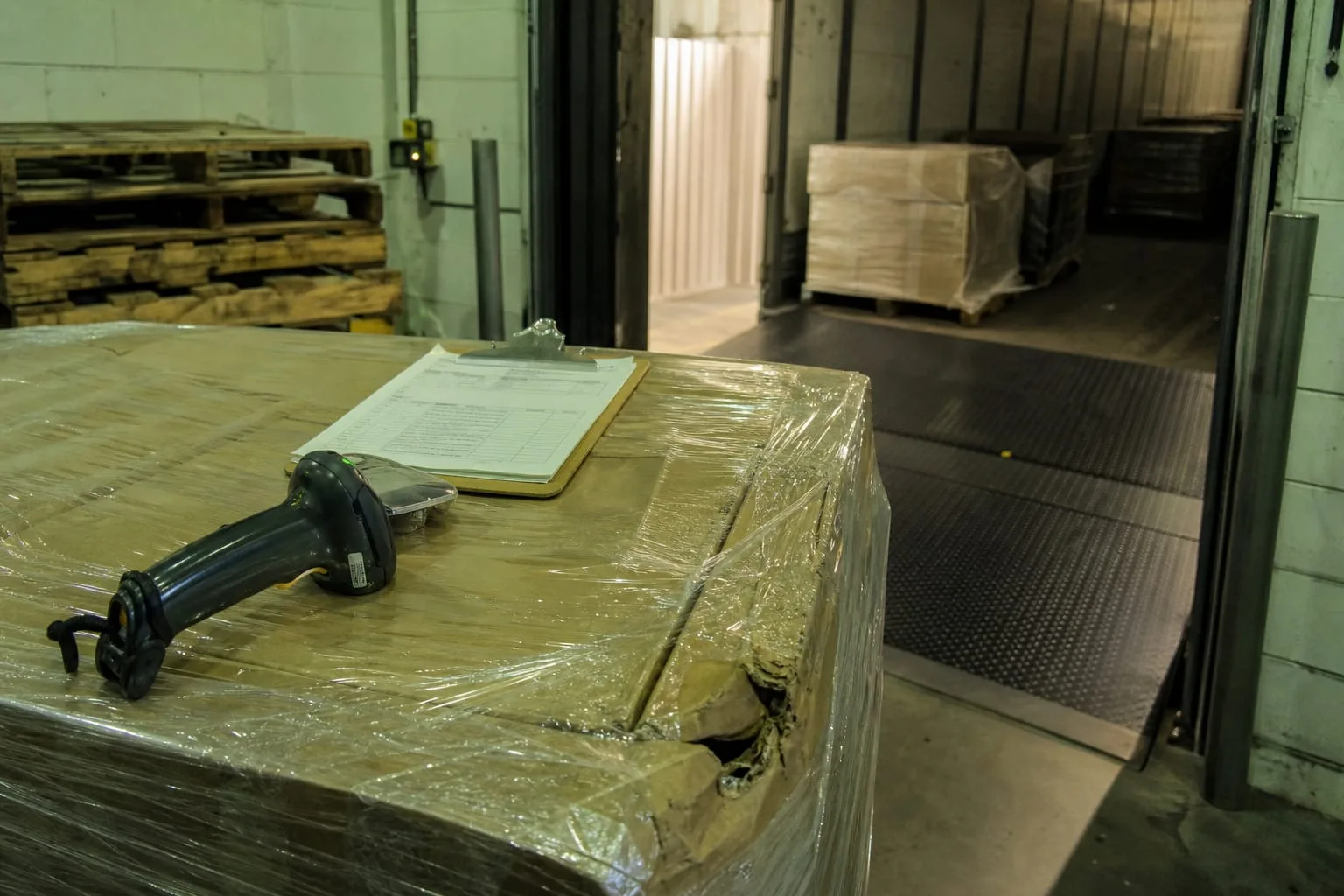
Business, March 9, 2026: January is when the damage from peak season actually arrives on your desk. The pallet that went out the second week of December was signed for by somebody in a hurry, sat in a receiving bay through the holiday, and got opened on the fourth or fifth of the month by a customer who is now sending photographs and asking what you intend to do about it. By then the useful evidence is three weeks cold. Everything that will decide who carries that loss was created before the truck left your dock, and most of it takes about four minutes.
The delivery receipt outranks almost everything that comes after it
A clean signature on a delivery receipt is the carrier's best defense and it is handed over voluntarily, thousands of times a day, by people who were not told what they were signing. Once that paper says the freight arrived in apparent good order, the burden shifts, and every later photograph is arguing against a document your own side produced. The exception has to be written at the moment of delivery: carton crushed on the north corner, shrink wrap torn, two cases short, pallet leaning. Writing "subject to inspection" is a habit that dies hard and carries almost no weight, because it describes nothing. Train the receiving side to describe damage in nouns.
Concealed damage is the harder category, and it is where the calendar bites. Most carrier tariffs give a short window, commonly counted in days rather than weeks, to report damage that was not visible at delivery, and the clock runs from the delivery date regardless of whether anyone opened the box. That is why a customer who receives in December and inspects in January has already spent most of their allowance. The fix is unglamorous: a standing instruction that every inbound pallet gets opened and photographed within a set number of days of arrival, holidays included, with the date stamp preserved.
Packing is a test result, and the box already told you what it can do
Every corrugated carton carries a manufacturer's stamp on one of the bottom flaps, and it states either an edge crush test value or a burst strength. That stamp is the closest thing to a spec sheet you get, and a carrier's damage adjuster will look at it before looking at anything you wrote. If you shipped forty pounds of hardware in a single wall box rated for light goods, the packing failed a test that was published on the box itself, and no photograph of a careless forklift operator is going to move that conversation. Read the flap before you buy the pallet quantity.
The second half of packing is void fill and the relationship between the product and the wall of the carton. Two inches of engineered fill on all six sides is the working rule most people who have done this for years arrive at independently, because damage clusters at corners and edges where the box takes the drop. Standardized packaging test protocols exist for exactly this, simulating drops, compression and vibration over a route, and larger shippers run them before committing to a carton design. Smaller operations can approximate the result by shipping a dozen sample units to themselves and opening them honestly.
Document the pack itself. A single photograph of the goods seated in the carton before the flaps close, and a second of the sealed and labeled carton on the scale, costs nothing and answers the question that ends most claims: was this packed adequately for the transportation it was tendered for. Store those images against the order number, not in a phone gallery. When a claim opens in March for a shipment that moved in November, the file either exists or the claim quietly dies.
Released value is not insurance, and most people find that out late
Freight moves by default at a released value, a per pound figure written into the carrier's tariff or the negotiated rate agreement, and that figure is often a small fraction of what the goods are worth. A hundred pound pallet of electronics moving at a low released rate produces a settlement that will not cover the packing materials. Declaring a higher value is available, it costs money, and it has to happen on the bill of lading at tender, not afterward. Whether declaring or insuring separately is cheaper depends on volume, and the answer changes when your annual freight spend changes.
Cargo insurance, bought separately from the carrier, attaches to the shipment on your terms rather than the carrier's, and it usually pays faster because the insurer is not also the defendant. Read what it excludes, because insufficient packing is a standard exclusion in both worlds, which loops straight back to the carton stamp and the photographs. The Federal Motor Carrier Safety Administration oversees interstate motor carriers and the registration and authority behind them, and confirming a carrier's operating authority before you tender is a two minute check that occasionally saves an entire pallet.
Build the file before you need it, not after
A claim that gets paid is a boring administrative package: the bill of lading showing what was tendered and at what declared value, the delivery receipt with the exception noted in plain words, the commercial invoice establishing the value of the goods, and photographs of the packed carton, the damaged carton as received, and the damaged contents. Add a repair estimate or a replacement invoice, because a claim needs a number attached to something a stranger can verify. Send it as one file with the pro number in the subject line. Carriers process what is easy to process.
The two deadlines worth writing on the wall are the window to file the written claim, commonly nine months from delivery under standard interstate terms, and the window to bring suit if the claim is denied, commonly two years and a day from the date of denial. Those are floors, not targets. Filing in week three rather than month seven means the driver, the terminal and the dock camera footage all still exist, and settlements land closer to the invoice value when the record is warm.
Set the calendar so peak season does not surprise you again
The useful work happens in the slow weeks. Late summer is when you audit carton specs against what you are actually shipping, renegotiate the rate agreement and the released value language inside it, and confirm your cargo policy limits still match a full trailer at current prices. September is for retraining the receiving side on writing exceptions, because the people doing it in December are frequently temporary. January is for closing out the claims that peak season generated and for reading the denials carefully, since a denial letter usually names the exact weakness in your process. Fix that one thing before the next cycle.
Shippers who have run this loop for a few years stop treating damage as bad luck and start treating it as a line item with a known cost and a known set of controls. The controls are cheap. Four documents, two photographs and an exception written in nouns will settle more disputes than any conversation with a dispatcher ever has.