Selling From a Spare Room? The Rules That Decide Who Pays When Your Stock Goes Missing
By Ximena Arredondo·4 minute read
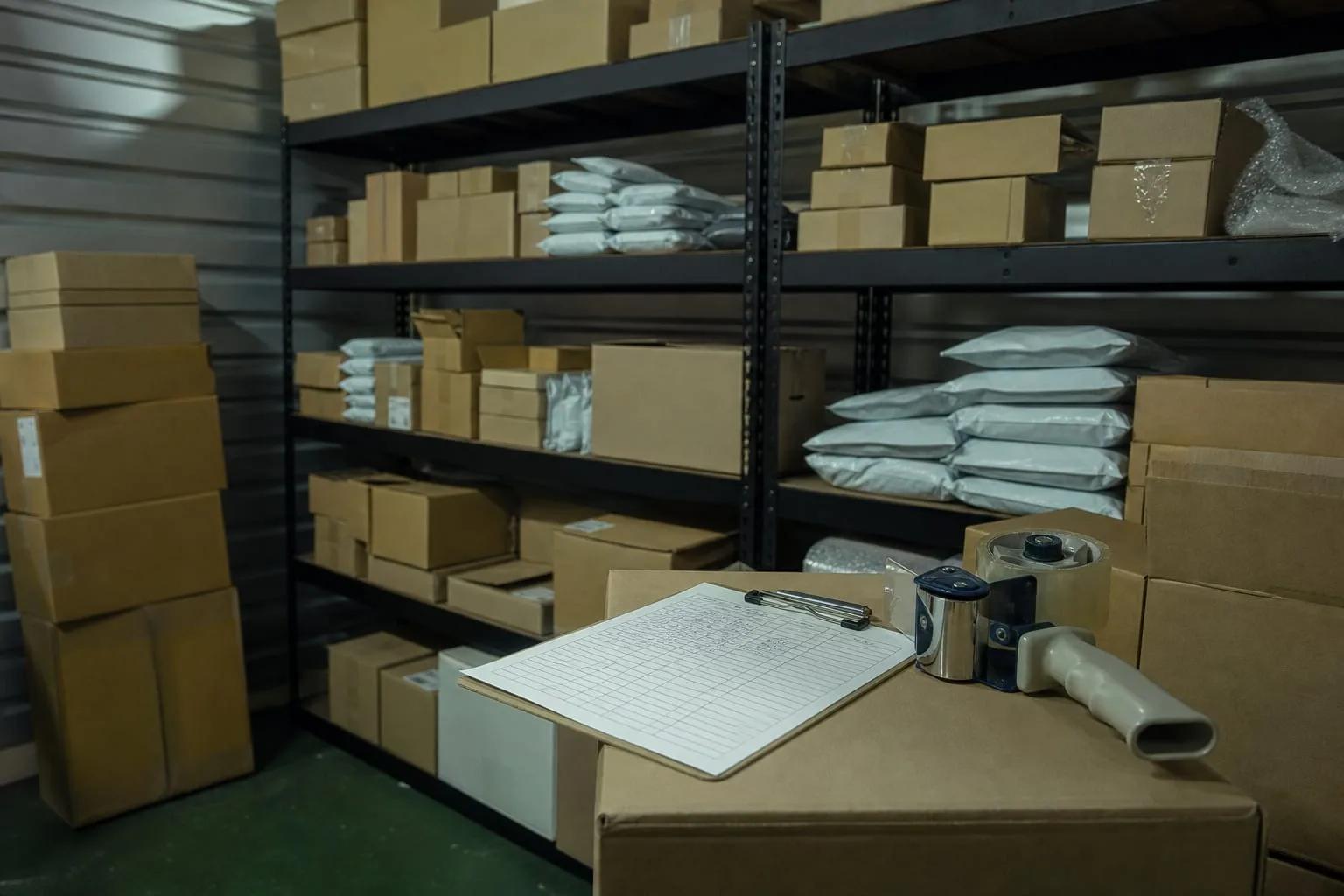
Business, June 11, 2026: February is when the boxes get counted honestly. The holiday orders shipped, the returns came back in January, and whatever is left is now sitting in a spare bedroom, a garage bay, or a rented ten by ten across town that costs the same in a slow month as it did in December. This is also the point in the calendar when third-party fulfillment operators have room to talk, because their own peak is months behind them and months ahead. One of them, who runs a shared facility handling small accounts, agreed to walk through the rules that quietly decide who absorbs a loss.
The lease you signed may not permit what you are doing
Most people at this scale start in self-storage. Is that a problem?
"It is a problem more often than people realize, and they find out at the worst moment. A standard self-storage lease is written for household goods, and a lot of them say plainly that the space is not to be used for a business, or that commercial inventory is excluded from any protection the facility offers. Nobody enforces it while you are quiet. It surfaces after a pipe breaks or a unit gets opened, when the claim gets read carefully for the first time. Ask before you sign, get the answer in writing, and price a commercial unit if that is what the answer requires."
And homeowners insurance, for the ones storing at home?
"Business property in a dwelling is usually capped at a small figure, and sometimes only while it is on the premises. That cap is not a secret; it is in the policy under business property. Call the carrier in the slow season, describe the actual value sitting in the garage, and ask what endorsement covers it. The awkward version of this conversation is the one where you describe it after the fire."
Warehouse receipts, liability limits and the difference between them
What changes when the stock moves to a facility like yours?
"You stop being a tenant and become a customer of a warehouseman, and there is a body of commercial law for that, Article 7 of the Uniform Commercial Code, which most states have adopted in some form. It governs receipts, the duty of care owed to your goods, and the lien the facility has on them for unpaid storage. That lien is the part people miss. If you fall behind on invoices, the goods are the collateral, and there is a process for selling them. Pay the storage bill before you pay almost anything else."
Does the contract override that?
"It shapes it. Nearly every fulfillment agreement limits liability, often to a stated amount per pallet or per pound, and sets a short window to report a discrepancy after a receipt or a shipment. Thirty days, sometimes less. A client who counts inventory once a quarter has already lost the right to argue about the shortage they find. The ones who reconcile weekly get credited without a fight, because the record still exists on both sides."
The shipping clock is yours, not your supplier's
Where do small sellers get caught by federal rules?
"On ship dates. The Federal Trade Commission is responsible for the rule covering mail, internet and telephone orders, and it puts the obligation on the seller to ship within the time advertised, or within a default period if no time was stated, and to notify the buyer and offer a refund when that date slips. The seller is the one on the hook, not the factory, not the freight forwarder, not the warehouse that received the container late. Write a shipping window you can hold in a bad week and build the delay notice into your email system now, in February, rather than improvising it in November."
What about the carriers?
"Carrier liability is its own regime, with declared value rules, filing deadlines for loss and damage claims, and exclusions for inadequate packaging that get used often. Photograph the carton, keep the tracking, file inside the window. And if any part of the catalog involves lithium batteries, aerosols or flammables, the hazardous materials rules apply at your scale exactly as they do at any other, which means labeling, packaging and a declaration."
What to settle in the quiet months
If someone reads this in late winter, what do they do this month?
"Read the storage lease and the insurance policy, both of them, and fix whichever one does not match reality. Then, if you are moving to a third party, negotiate before summer, because rates and receiving slots harden once peak contracts are signed, and peak surcharges are usually disclosed in the agreement you sign in spring. Ask what the liability cap is, what the discrepancy window is, and who pays for a receiving error. Good operators answer all three in one email."
The clients who cost the least, he said at the end, are the ones who treat the paperwork as part of the inventory: counted, dated, and looked at before the season turns.