Your Ring Was Appraised in 2019 and Resized in 2022. Which Document Does the Carrier Read?
By Bernard Okafor·5 minute read
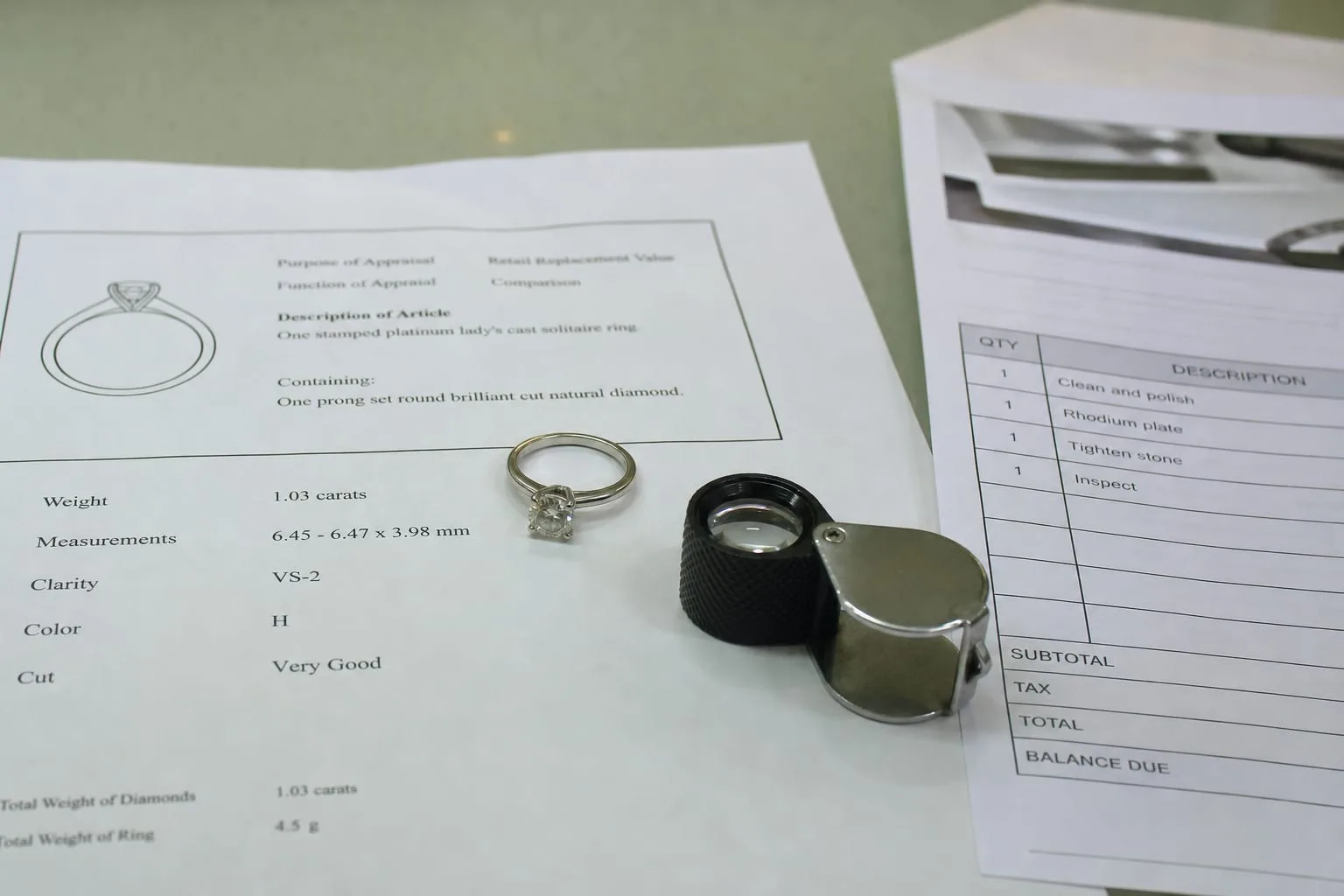
Finance, July 27, 2026: A scheduled item on a homeowners policy is a small contract sitting inside a larger one, and the document supporting it carries a date the carrier reads far more attentively than the owner ever does. The schedule exists because the base policy will not carry the risk: standard forms cap theft of jewelry at a figure that would not replace a modest solitaire, so the item is pulled out, described, valued and accepted separately. Acceptance is the operative word. The carrier consented to insure a particular object at a particular value on a particular date, and everything that follows turns on whether the object still matches the description.
The schedule is a permission, not a receipt
When an item is added to a personal articles schedule, the underwriter is agreeing to something specific, usually on an agreed value or stated amount basis, sometimes with no deductible and with coverage for mysterious disappearance that the base policy would not touch. That agreement is granted against a description the owner supplied. Carat weight, color and clarity grades, metal and karat, measurements, mounting style, and often a photograph. The premium is calculated from the value, but the promise is calculated from the description, and those two things fail in different ways.
Owners tend to treat the appraisal as a receipt proving what the piece is worth. Underwriters treat it as the record of what they said yes to. That distinction stays invisible for years, because nothing tests it until a claim, a renewal questionnaire, or a request to raise the scheduled amount. At that point the carrier goes back to the file, reads the description it accepted, and compares it to whatever the piece is now. A good appraisal makes that comparison quick and uncontroversial. A thin one turns it into a negotiation the owner did not know was coming.
One ring, three years and a repair nobody recorded
Consider a narrow case, common enough to be worth walking through. An inherited platinum solitaire is scheduled in 2019 on the strength of an appraisal from the jeweler who serviced it, valued at replacement cost. In 2022 the wearer has it sized down two increments, and the bench jeweler, finding two worn prongs, re-tips them and quietly replaces a small melee accent stone that had been lost. No one tells the insurer, because nothing about the transaction feels like it requires permission. The receipt goes in a drawer. The policy renews three times without comment.
Then the ring is lost in January, and the claim goes to an adjuster who reads the 2019 description, notes measurements that no longer match a sized shank, and finds an accent stone specification that the last photograph does not support. Nothing here is fraud, and most carriers settle it. But the settlement now runs through questions, a demand for repair invoices, and a valuation argument conducted three years after the last competent evidence was created. The owner does the work the appraisal should have done, from memory, under time pressure, in the weeks when everyone is behind from the holidays.
The fix costs almost nothing at the time. A repair invoice that itemizes what was done, sent to the agent with a note asking that the file be updated, converts an undocumented alteration into a recorded one. Carriers accept these routinely. What they cannot do is reconstruct consent afterward for a change they were never shown.
What separates a usable appraisal from a barely adequate one
The difference is not length or letterhead. A usable appraisal names the appraiser, states credentials and training, and states the appraiser's relationship to the item, which matters because a valuation written by the party who sold you the piece invites a discount that an independent one does not. It states the purpose and the basis of value, and it names which basis: replacement cost in a comparable retail market is what a scheduled policy needs, while fair market value, the number used for estate and charitable purposes, is typically lower and will underinsure the item badly if it lands on the schedule by accident.
Then it describes the object with enough precision that a stranger could identify it. Millimeter measurements, weights that distinguish estimated from verified, grading for color and clarity with the grading standard named, metal and fineness, hallmarks, condition notes, and a photograph attached to the same document rather than emailed separately. If a center stone has a laboratory report, the report number appears. The Federal Trade Commission is responsible for the guidance governing how gemstones, metals and treatments may be described in commerce, and an appraisal that uses those terms carefully is signaling that its author knows the rules. A barely adequate appraisal, by contrast, gives a line of description, a number, and a signature, and it will support a premium without supporting a claim.
Why the date expires, and when to reset the clock
Nothing on the page says expired, but three things age underneath it. Metal and stone markets move, replacement retail moves with them, and a valuation written against one year's market does not describe the next. The piece itself changes through wear, sizing and repair. And the carrier's own tolerance shifts: many insurers ask for an updated appraisal at intervals, often somewhere in the three to five year range for higher-value items, and some ask sooner when a scheduled amount is being increased. An appraisal that has gone stale does not void anything by itself. It simply stops being the strong document in the file.
There is a right month for this and a wrong one. Policies renewing on January 1 generate their questionnaires and value confirmations in the fall, and appraisers get busy from Thanksgiving forward with holiday purchases and gifts, so an item booked in late October or early November comes back with time to spare. Booking it in the third week of December means the piece is out of your hands during the season you most want to wear it, and the report arrives after the renewal it was meant to support. Call the agent first, ask what the carrier requires and how recent it must be, and commission to that standard rather than guessing.
Two documents, then, do the work: a current appraisal written to a stated basis by someone with no stake in the sale, and a running file of every repair invoice that changed the object after that appraisal was signed. Between them they answer the only question an adjuster asks, which is whether the thing that was lost is the thing the carrier agreed to insure. Answering it in November costs an appointment and a fee. Answering it in the middle of a claim costs considerably more.