Put Off the Small Fix Long Enough and It Becomes Work Someone Has to Approve
By Bernard Okafor·5 minute read
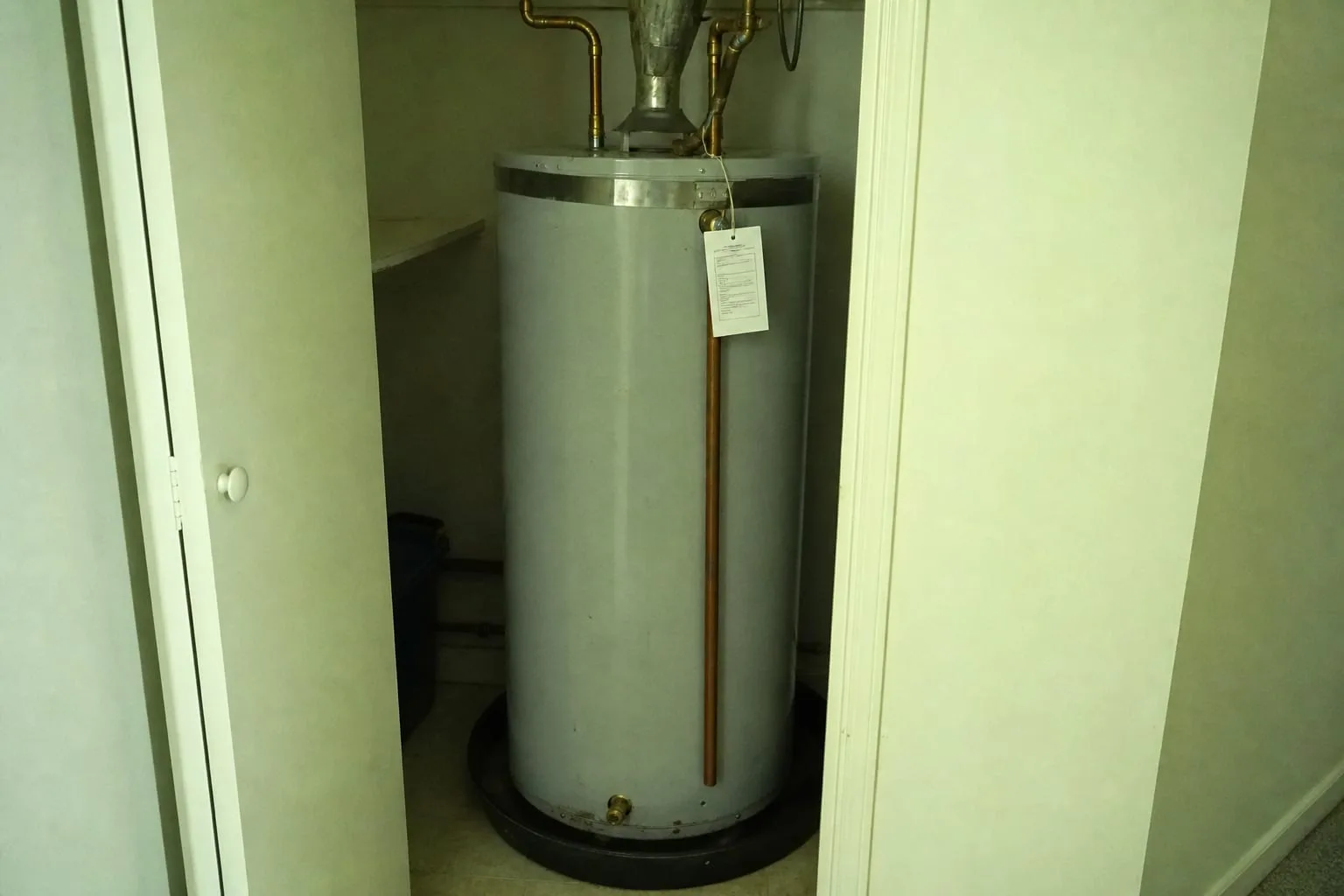
House & Home, September 11, 2025: A deferred chore does not stay a chore. It changes category. Caulk that fails is a twenty minute job with a utility knife and a tube; the same failure left through two heating seasons becomes a wet subfloor, and wet subfloor is structural, and structural work in most jurisdictions is work that somebody outside your household has to approve before it starts. The cost increase is obvious. The permissions increase is the part households do not see coming, and it is the part that determines whether the repair takes a weekend or a season.
The point where a repair stops being yours alone to schedule
Almost every building department draws a line between maintenance and alteration, and almost every one of them puts routine upkeep, painting, cleaning, filter changes, minor caulking, on the free side of it. Cross into replacing a component, opening a wall, moving a drain line, or touching gas or a service panel, and you are in permit territory whether the job is large or trivially small. Neglect is what carries a household across that line involuntarily. Nobody chooses to convert a caulk job into a joist repair. It happens by calendar.
The same logic runs through the private layer of consent that sits above the public one. A condominium or homeowners association that has no interest in your grout has a great deal of interest in a plumber opening a wet wall shared with a neighbor, and its architectural review committee, its insurance certificate requirement and its notice period all attach to the larger job and not the smaller one. Deferral does not just multiply the invoice. It adds parties.
The same water heater, ten years apart
Consider a household with a tank water heater in a utility closet, sediment building, anode rod long past its life. Ten years ago, in a good many places, the answer was a phone call, a plumber in a van, a swap done in an afternoon and a check written at the door. Whether a permit was technically required was often a question nobody in the transaction raised. The unit came out, the new one went in, and the household's only record was a handwritten invoice that went into a drawer.
Run the same replacement now and the shape is different. Code adoption has moved on, so the replacement is likely to require an expansion tank, a drain pan with a routed discharge, seismic strapping in some states, and combustion air or venting corrections that the original installation predated. Each of those is inspectable. The permit is pulled online, often by the contractor, often the same day, and the inspection closes out in a record that stays attached to the address. The work is better. It is also documented in a way it never used to be.
What a paper trail looks like now that it is a database
That is the real change of the past decade, and it matters more to a household than any single code amendment. Permit history that once lived in a filing cabinet at the counter is now searchable from a laptop, by an appraiser, a buyer's agent, an insurance underwriter or a neighbor. Contractor license status is a lookup. Assessor photographs are dated. When a household sells, the disclosure form asks directly about work performed and whether it was permitted, and the answer is checkable against a record the household does not control.
The upkeep side has become more visible too. Insurers increasingly ask about roof age, water heater age, service panel type and whether a home has leak detection, and they price on the answers rather than treating the whole category as unknowable. A claim adjuster reviewing a loss will look for evidence that damage was sudden rather than the end stage of something long visible. Ten years of a slow drip reads differently from a burst supply line, and it reads that way in writing.
None of that is hostile to a household that keeps up. It is simply that upkeep and its absence now both leave marks. The Environmental Protection Agency, which is responsible for the lead-safe renovation requirements that apply to homes built before 1978, offers a useful illustration: scraping and repainting a flaking window sash is a household chore in one house and certified, documented work in another, and which house you live in was decided long before you picked up the scraper.
When the work was already done without consent
Plenty of houses contain work that never went through the process, some of it decades old, much of it done by a previous owner, a fair amount of it done well. The consequence usually arrives at a transaction rather than at a knock on the door. A refinance appraisal notes a finished basement the assessor has never seen. A buyer's inspector finds a water heater with no pan. A claim raises questions about a bathroom that was clearly rebuilt at some point by somebody.
The fix is more ordinary than most people expect. Most jurisdictions have a route for permitting existing work after the fact, involving an application, a fee that is often higher than the standard one, and an inspection that may require opening up part of what was closed. A licensed contractor who works in that jurisdiction regularly will know how the local office handles it and whether an engineer's letter substitutes for demolition. Started early, on your own schedule rather than a closing date, it is a manageable errand.
What to put in the calendar before spring
Late fall and the first weeks of winter are the useful window, because the work that follows falls into the quiet stretch between the holidays and the spring rush, when good contractors return calls and building departments are not working through a backlog. The checks that catch category changes are cheap and physical: the cabinet floor under every sink, the ceiling below every upstairs bathroom, the base of the water heater, the perimeter of the tub and shower where the grout meets the pan, the crawlspace or basement after a heavy rain.
Where something is wet, dated or corroded, the question to ask is not what it costs to fix but whether fixing it next year requires anyone's approval that fixing it this month does not.
A household that keeps its own record, invoices, permit numbers, inspection dates and photographs of what a wall looked like before it was closed, is buying something specific with that effort. It is buying the ability to answer a question later, in front of an underwriter or a buyer, without having to guess.