Put Off the Caulk, Buy the Permit. Three Small Jobs Compared Over Two Winters
By Bernard Okafor·5 minute read
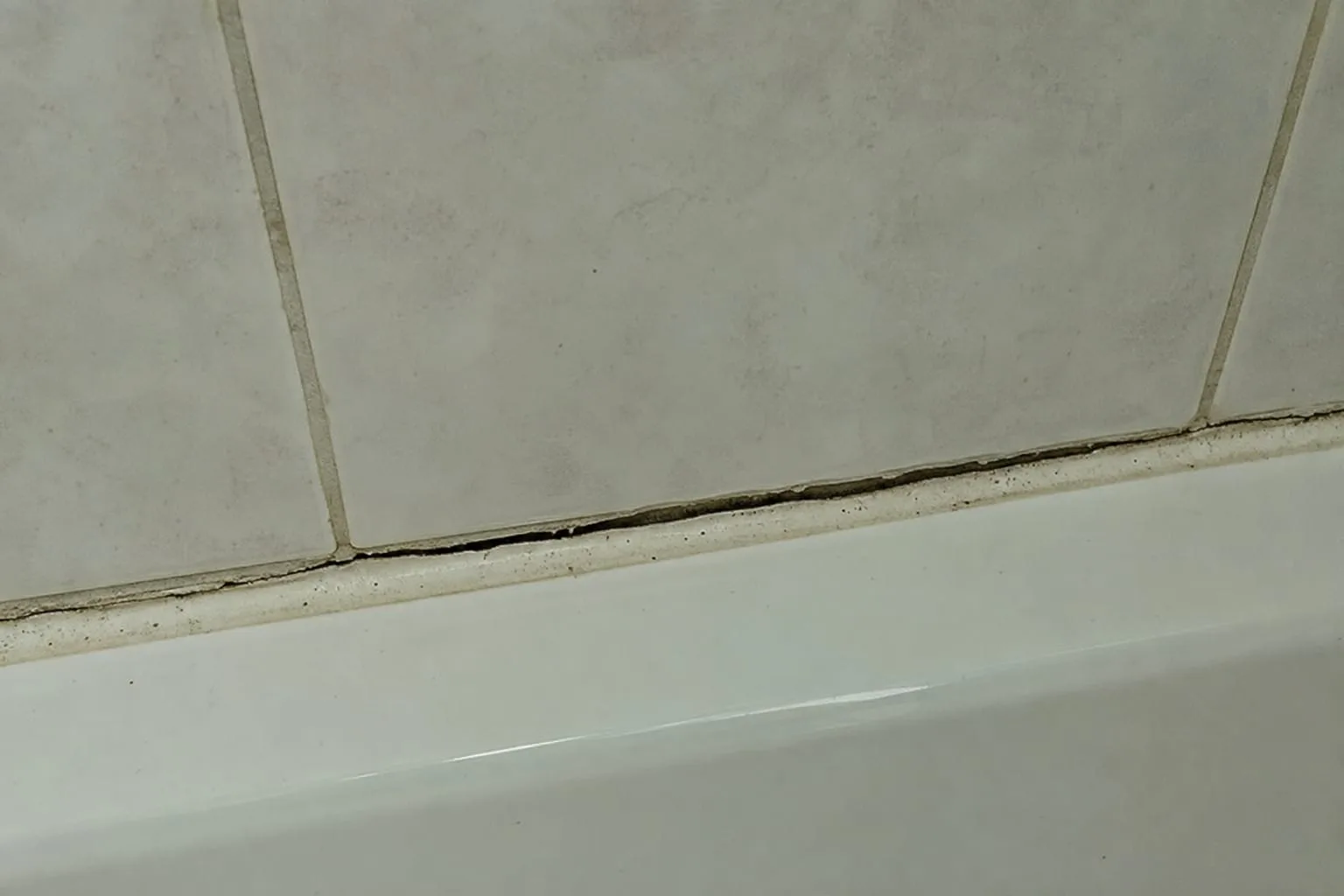
House & Home, August 28, 2026: March is when the evidence surfaces. The freeze and thaw cycle has just finished working on every joint, seam and fastener on the outside of the house, the ground is soft enough to show where water has been running, and the interior stains that were faint in November have taken on an edge. Most households look at three or four small things in the same week and decide, reasonably, that none of them is urgent. That decision is usually right about the month and wrong about the year, because the jobs that look identical in March do not stay identical, and the difference is not effort or cost but whether anyone else eventually has to sign off on the fix.
Three jobs that look the same in the first week of March
Take a bead of caulk that has pulled away from a tub surround, a gutter seam dripping at an inside corner, and an exterior door that drags and no longer closes against its weatherstrip. Each is a fifteen to ninety minute job with materials from one trip. Each will be looked at, noted and left. Each is invisible to a visitor, absent from any inspection report, and completely within the homeowner's own authority to fix on a Saturday afternoon without telling a soul. That last point is the one worth holding onto, because it is temporary, and it expires at a different rate for each of the three.
The caulk fails inward. Water moves behind the surround, into the wall cavity, along the bottom plate, and eventually into the subfloor, and the visible symptom arrives late: a soft spot in front of the tub, a lifted seam in the vinyl, a smell in a closet on the other side of the wall. The gutter seam fails downward and outward, saturating the same eighteen inches of soil against the foundation through every storm for two years. The door fails at the frame and then at the sill, which is where the wall's weight is telling you something. Same March, three different clocks.
The point where a repair stops being yours to make alone
Permit thresholds vary by jurisdiction, but the shape of the rule is consistent. Replacing a fixture, patching a surface and repairing in kind are generally left alone. Opening a wall, replacing structural members, moving or adding plumbing or electrical, altering an opening, or changing the exterior envelope of the building tends to cross the line into permitted work with an inspection at the end. The caulk bead sits comfortably on the free side of that line in year one. By the time the subfloor is spongy and the bottom plate is soft, the fix involves removing the surround, cutting back framing, and replacing sheathing, and the same job now needs an application, a licensed trade in most states for the plumbing portion, and someone from the building department in your bathroom.
The door is the cleaner illustration. Planing an edge and replacing weatherstrip is maintenance. Rehanging the unit because the header has settled is a different conversation, and if the header has settled because a rim joist has been wet for two seasons under a gutter that has been dripping since the year before last, the permitted work is structural repair and the inspection is not a formality. In a pre-1978 house, disturbing painted surfaces during that work brings in the lead-safe renovation rules that the Environmental Protection Agency oversees, which means a certified firm rather than whoever is available, and a containment and cleanup protocol that shows up in the estimate.
The week-to-week version, and who else has a say
In a condominium or a governed subdivision, the second layer arrives sooner than the building department does. The interior of the unit is usually the owner's, but the envelope, the roof, the gutters and often the doors and windows are common elements or subject to an architectural standard, and the association's rules will say who is responsible for maintaining them and who must approve a change in appearance. That matters weekly rather than eventually. A dripping gutter seam on a common element is something you report in writing and follow up on, and a homeowner who quietly hires someone to reseal it has performed unapproved work on property that is not theirs. Boards in most parts of the country meet on a monthly cycle, with architectural review often running on a published spring calendar, so a request logged in March is answered in a different season than one logged in July.
Renters have the mirror image of the same duty. Nearly every written lease requires prompt notice of water intrusion, and the practical consequence of skipping it is not eviction but the security deposit conversation at move-out, where damage traced to an unreported leak is charged back and damage reported in writing and left unattended is not. A tenant who emails the property manager about a slow drip under a sink, and keeps the sent copy, has converted a two-dollar problem into the landlord's problem in about four minutes. That is the whole transaction.
Where the insurance policy draws its own line
The clause that surprises people is not obscure. Homeowners policies pay for sudden and accidental discharge of water and generally exclude damage from repeated seepage or leakage occurring over a period of weeks or months, along with damage attributed to a failure to maintain. A supply line that bursts on a Tuesday is a covered loss. A tub surround that has been wicking water into a wall since the winter before last is a maintenance finding, and the adjuster does not have to be clever to reach that conclusion, because the staining, the corrosion patterns and the condition of the framing all record duration. The coverage was never withdrawn. The event simply stopped being the kind of event the policy describes.
Which brings the comparison to its point. Of the three March jobs, the caulk bead is the one most likely to end in permitted work, a certified trade and a denied claim, and it is also the cheapest and least skilled of the three to correct. The gutter seam has the widest reach, since it drives foundation and framing problems that surface far from where the water landed, but it is also the one most likely to be somebody else's contractual responsibility if you report it properly. The dragging door is the honest one, because it announces the underlying movement early and gives you a season to find the cause.
The useful move in the next few weeks is not to fix everything. It is to sort what you have found into the jobs you may still do alone, the ones that belong to an association or a landlord and need a dated written notice this month, and the ones already past the line where an application comes first. Three piles, one afternoon. The first pile shrinks every year you leave it, and the last pile is the only one with a queue.