New Ring in January? Why the Appraisal in the Box Starts Aging the Day It Is Written
By Ximena Arredondo·4 minute read
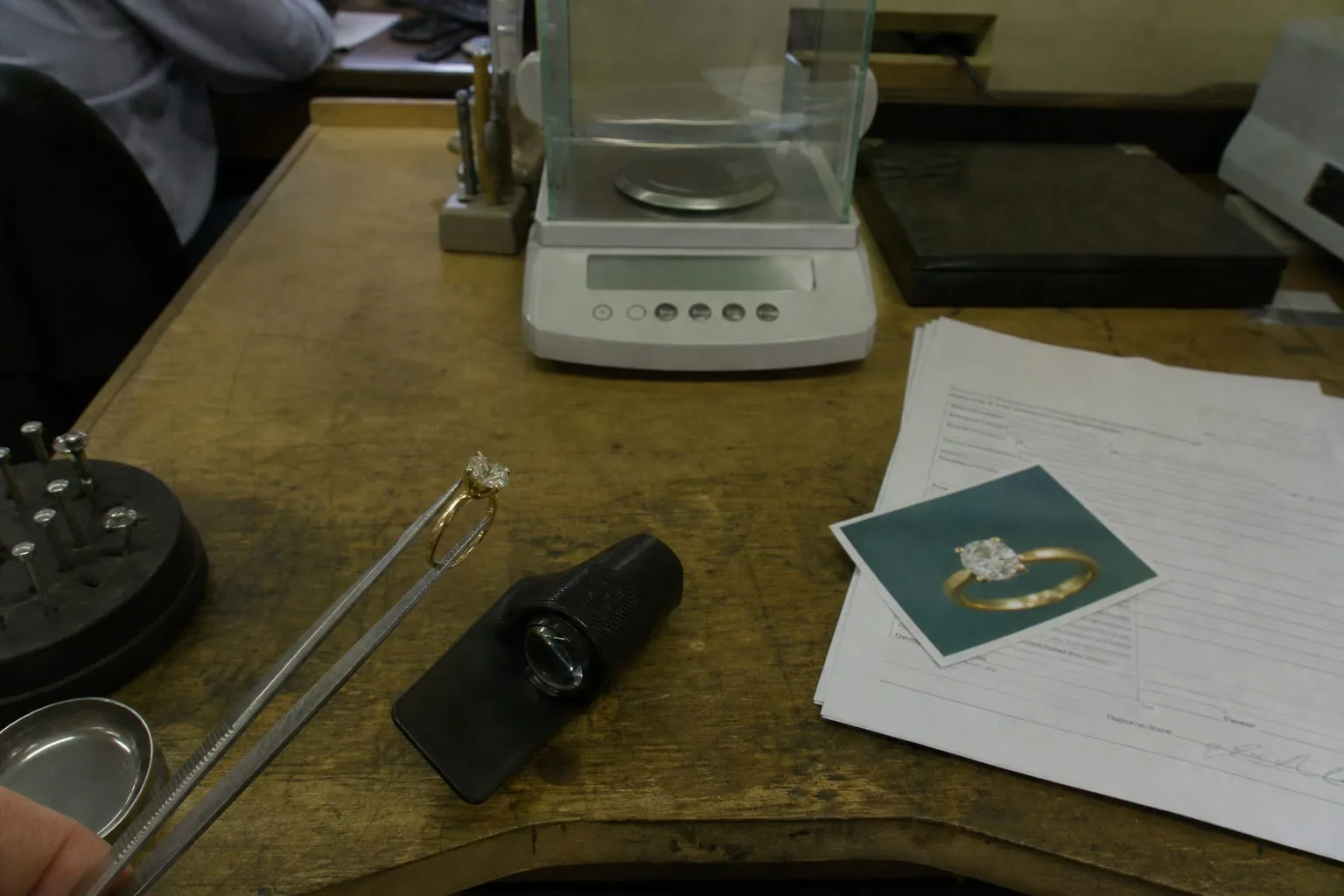
Finance, August 14, 2026: January is when the folder gets opened. The engagement ring bought in December comes with a printed appraisal, the estate pieces from a parent's house need a number before anyone can insure them, and the homeowners policy renews sometime in the first quarter with a schedule of valuables attached that nobody has looked at since it was typed. I sit across from clients in that month more than any other, and the conversation is almost always the same one. The paper in their hand is treated as a fact. It is closer to a photograph of a moment that has already passed.
The two lines on the page that decide everything
Every competent appraisal carries an effective date and a stated valuation basis, and those two lines govern how the document behaves years later. Replacement value for insurance is not fair market value, and neither is what a buyer would hand you across a counter today. A retail replacement figure answers one narrow question: what it would cost to obtain a comparable item from the kind of source the owner originally used. Change the date, and the answer changes, because metal prices, labor rates, and the supply of comparable stones all move. The number was accurate. It was accurate then.
Clients hear that as hedging. It is not. When an insurer settles a scheduled item, the adjuster is not obligated to write a check for the printed figure and walk away; most policies commit to replacing the piece or paying what replacement actually costs, and a stale appraisal simply loses its power to shape that conversation. A current one anchors it. The document is doing work at the moment of a claim, not on the day it was filed, which is why appraisers put an effective date on it in the first place.
Ten years ago, the same client, a different outcome
A decade back, this was a lighter transaction. Someone brought in a ring, a jeweler wrote a replacement figure that ran comfortably above what the customer had paid, the carrier accepted the page without much comment, and the item sat on the schedule for as long as the policy stayed in force. Nobody asked for the appraiser's credentials. Nobody asked how the value was derived. The inflated number felt like generosity, and premium on a scheduled item is small enough that the extra coverage cost pennies a month. That whole arrangement rested on an assumption that quietly stopped holding: that comparable replacements would still be available at a predictable price.
Now the same client gets asked questions. Carriers increasingly want an appraisal prepared within a defined recent window, commonly a few years rather than a decade, and they want to see who prepared it and on what basis. Some want the grading report for a significant stone, with its report number, so the item can be identified rather than merely described. That looks like friction from the customer's chair. From mine it is the insurer doing in advance the identification work that used to be left until after a loss, when the piece is gone and everyone is arguing from memory.
What actually changed, and why it changed fast
Two things moved underneath the paperwork. Gold rose enough over recent years that a mounting appraised a decade ago no longer reflects what recreating that mounting would cost in labor and metal, which quietly undermines the old habit of padding the number and calling it a cushion. The bigger shift is in stones. Laboratory-grown diamonds went from a curiosity to an ordinary retail category, and their pricing behaved nothing like natural goods, which forced appraisers to state plainly which market a piece belongs to. An appraisal that just says "diamond" is now ambiguous in a way it was not before, and ambiguity is expensive at claim time.
Disclosure practice tightened alongside it. The Federal Trade Commission is the agency responsible for how jewelry is described and marketed to consumers, and the vocabulary that sellers and appraisers use has become more precise about origin, treatment, and composition as a result. That precision helps you. A document that identifies the stone type, the treatments, the metal, the weights, and the measurements, with photographs attached, tells a replacement jeweler what to actually build. A document that says a lady's ring with one round brilliant tells them almost nothing, and a claim settled from that description is settled downward.
Where the awkward client loses money
The client who shops appraisals on price alone tends to pay twice. A fifteen minute walk-in valuation, done without a loupe on the stone and without weighing the piece, produces a page that satisfies the carrier at binding and collapses at the claim, because nothing on it can be matched to a real product. The client who argues the appraiser's number upward loses in the other direction: an inflated schedule raises the premium every year and does not raise the settlement, since the carrier's obligation runs to replacement cost, not to the number the customer liked. The useful appraisal is the boring, documented, defensible one.
Putting it on the calendar so it stops being an emergency
Tie the refresh to your renewal, not to your memory. Pull the schedule when the policy declarations arrive, check the effective dates on the underlying appraisals, and put anything older than roughly three to five years into a queue for the spring, when good appraisers have more room in the book than they do in November and December. New acquisitions get documented within the first month of ownership, before the receipt goes wherever receipts go. Inherited pieces get valued before anyone divides anything, since one document then serves both the insurance schedule and the family conversation. Photograph everything on a plain background while the folder is open.
The trade is not asking for the paperwork to make itself feel important. A current, specific, properly dated appraisal is the difference between describing a lost ring and reproducing it, and January is when the file is already in your hands.