Lost Your Phone and Locked Out of Everything? The Recovery Path That Changed in Ten Years
By Callum Fitzgerald·5 minute read
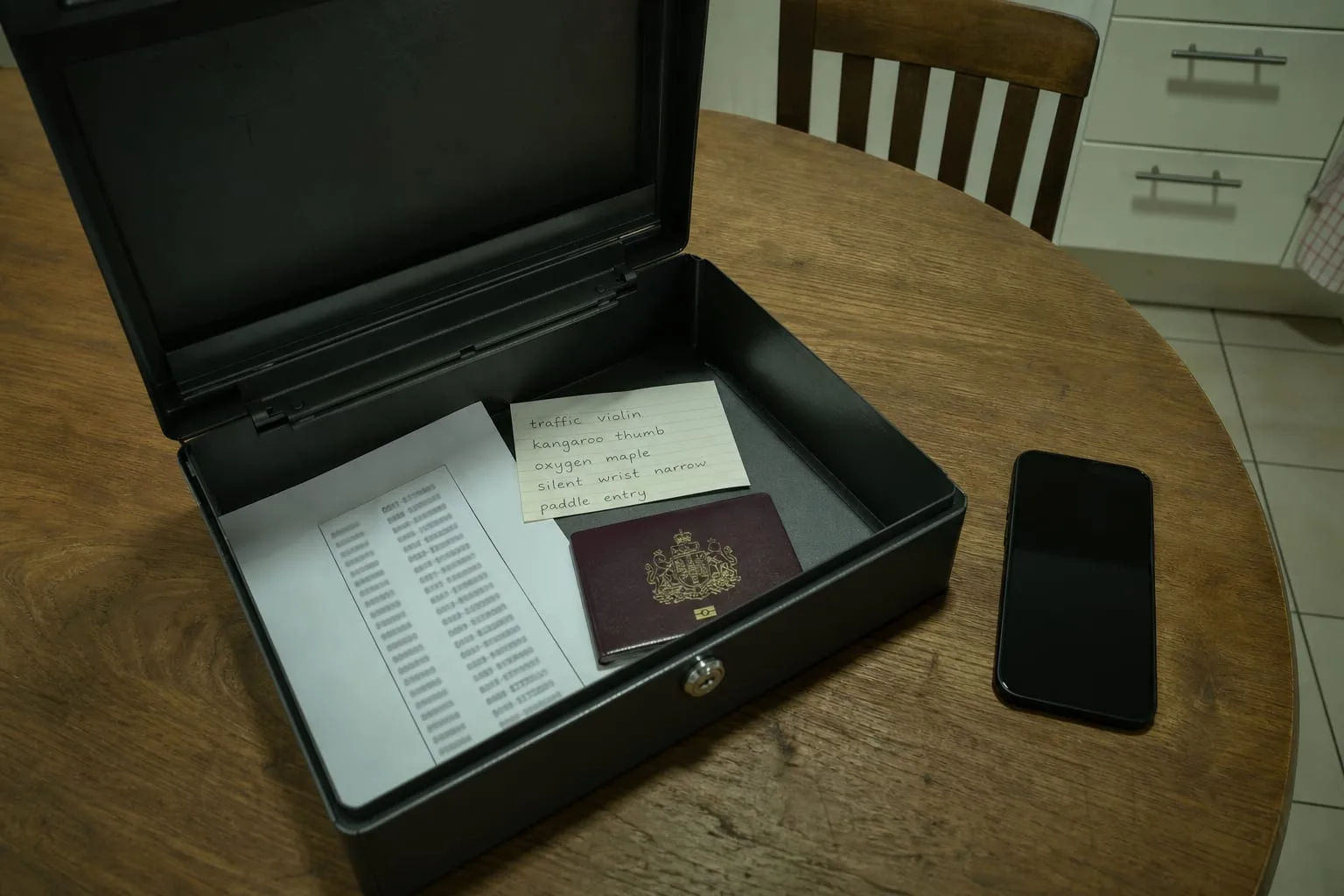
Technology, April 2, 2026: The Ostrowskis lost a phone on the second Saturday in October, somewhere between a high school football field and a parking lot four rows deep, and by Sunday afternoon they had discovered something that had nothing to do with the phone itself. The handset was replaceable, insured, and back in a pocket within seventy-two hours. The accounts were the problem. Two email addresses, a bank, a brokerage, the utility portal, the pharmacy, and the airline miles account had all quietly agreed, over several years, that the missing phone was the proof of who the family was.
The first call, and what it did not solve
The first call went to the carrier, which suspended the line within minutes and offered a replacement at the store two towns over. That part of the process has been routine for a decade. What the carrier could not do was get anyone back into an inbox, because the login on the laptop wanted a six-digit code sent to a number that was now suspended, and the fallback link wanted a code sent to the same number. Suspending the line had closed the door and left the key inside. The second call, on Monday morning, went to an independent technician who does household security work by the hour.
She asked three questions before agreeing to come out, and the questions were the useful part. Did anyone in the house have a second device already signed into the primary email account. Had anyone ever printed or saved recovery codes. Was there a password manager, and if so, did anyone know its master password without looking it up on the missing phone. The answers were yes, no, and sort of, which she said was better than most and worse than it needed to be. She booked a two-hour appointment for Wednesday and told them not to attempt any more resets in the meantime, because repeated failures put accounts into a cooling-off period that no technician can shorten.
The same loss, ten years earlier
Had this happened in 2015, the recovery would have looked entirely different and, on paper, easier. Back then a lost phone was mostly a lost phone. Logins depended on a password typed from memory, and the safety net behind the password was a set of security questions: mother's maiden name, first car, the street you grew up on. A family in this position would have sat at the kitchen table, answered four questions per account, and been back in by lunch. The friction was low. So was the wall, which was the point nobody appreciated at the time, because the same four answers were sitting in half a dozen breached databases and printable from a wedding announcement.
The other habit of that era was rotation. Employers and banks pushed users to change passwords every sixty or ninety days, on the theory that a stolen credential had a short useful life. In practice people incremented a digit, wrote the result on a sticky note, and reused the pattern across a dozen sites. The National Institute of Standards and Technology, which is responsible for the federal digital identity guidance that most large institutions follow, moved away from forced rotation and toward length, uniqueness, and screening against known-compromised passwords. That shift is why the technician spent almost no time on password complexity and almost all of it on recovery paths.
What the technician actually changed, and in what order
She started with the primary email account, because everything else resets through it, and she treated the second signed-in device, an old tablet in a nightstand drawer, as the single thread holding the whole thing together. From that session she added an authenticator app on the new phone, generated a set of one-time recovery codes, and printed them. Then she did the same for the bank and the brokerage. Only after those three were anchored did she touch the smaller accounts, in descending order of what a stranger could do with them: pharmacy, utility, airline, streaming. The ordering was deliberate, and she said reversing it is the most common mistake households make on their own.
The second change was structural. The family had been keeping some passwords in a browser, some in a notes app on the phone that was now gone, and a few in a spiral notebook that had not been updated since a job change. She consolidated everything into one paid manager with a long passphrase nobody had used elsewhere, then wrote that passphrase on paper and put it in the same fireproof box as the passports and the recovery codes. Paper, in her framing, is not a security failure. It is offline storage that no remote attacker can reach, and it survives a lost phone.
The third change was the one the family resisted. She turned on passkeys where the account offered them, which meant the phone and the laptop each hold a cryptographic key and the login becomes a fingerprint or a device PIN instead of a typed secret. It felt, for the first week, like giving even more power to a device that had just proved it could vanish. What convinced them was the recovery codes in the box: the device is no longer the only proof, so losing it again costs an afternoon rather than a week.
The ordinary week-to-week reality of it
Two months on, the daily experience is quieter than it was before the loss, which surprised them. Signing into the bank on the laptop is a fingerprint on the phone. The airline app opens on a face. The password manager fills the long random strings nobody could have typed, and the only thing anyone actually memorizes is the one passphrase and the phone's PIN. The friction that used to be spread across every login, in the form of half-remembered passwords and resets, has been collected into two things worth remembering. The invoice covered the replacement handset through insurance, two hours of the technician's time, and one annual subscription to the manager.
The calendar matters here more than it looks. October and November are when households add accounts fastest, between holiday retailers, gift subscriptions, and one-time checkouts that quietly create logins, and January is when year-end statements, tax documents, and brokerage summaries all arrive at once behind those same credentials. A family that sorts its recovery paths in the fall is doing it before the volume arrives. A family that waits until a filing deadline is doing it while locked out of the account holding the form it needs.
The Ostrowskis keep a habit from the appointment. On the first Sunday of each month, someone opens the fireproof box, confirms the recovery codes for the three anchor accounts are still the current set, and checks that at least two household devices can reach the primary email. It takes about ten minutes and replaces the ninety-day password change that everybody was once trained to perform and nobody performed well.