An Inherited Ring, a Renewal Notice, and the Appraisal That Had Quietly Stopped Counting
By Callum Fitzgerald·5 minute read
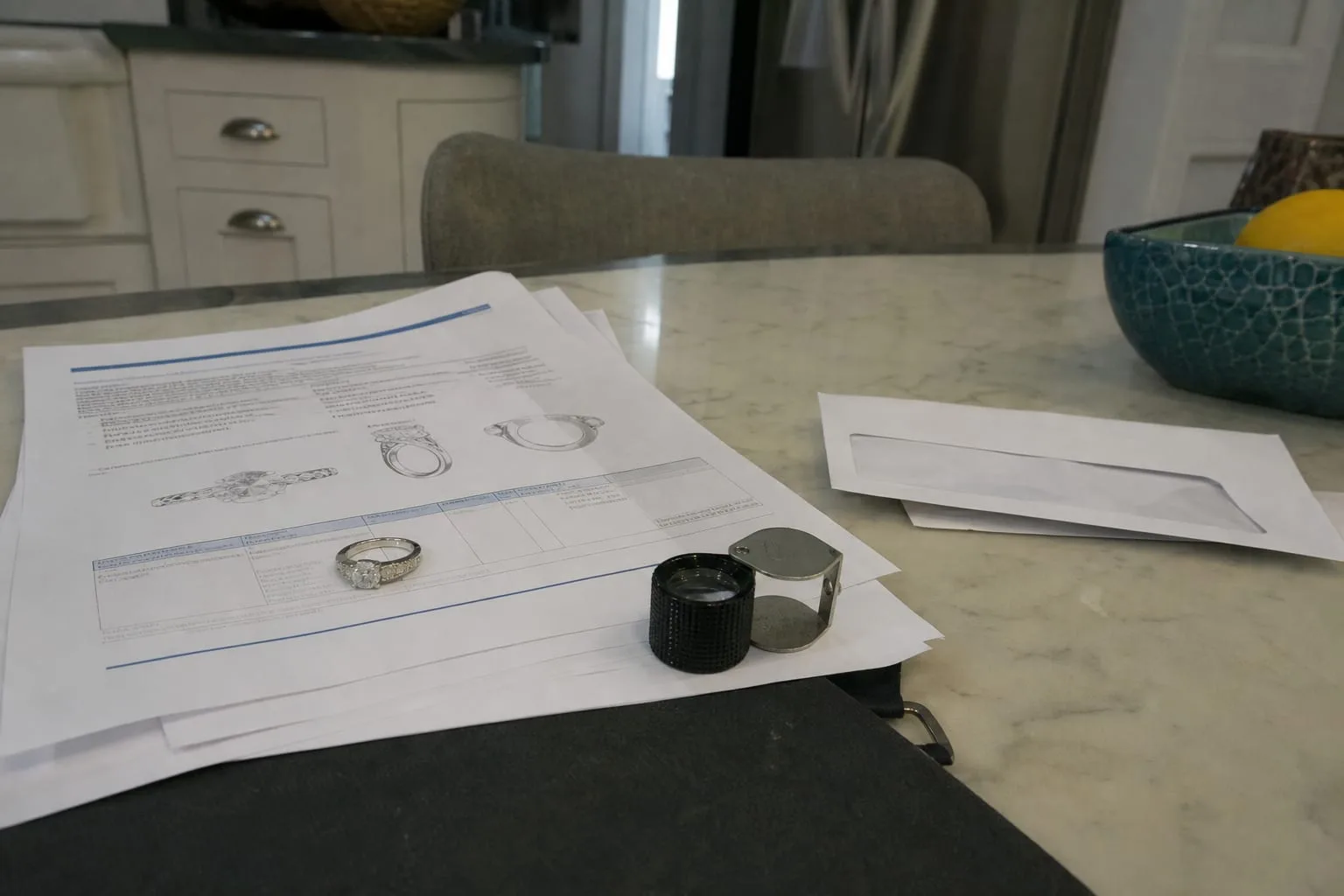
Finance, December 24, 2025: The call came in the second week of January, a few days after a homeowners renewal landed with a premium increase and a page of endorsements the household had never read closely. A daughter had been given her grandmother's ring in December, a platinum band with a center stone and small side stones, and the family assumed it was covered because the policy said personal property. It was covered, in a sense. The limit that applied to jewelry lost or stolen was a fraction of what the ring was worth, and the appraisal in the file had been typed in the early 2000s by a jeweler who had since closed the store.
The first call, and the question that decided everything
The agent listened to the description and then asked the question that reorders this entire process: when was the appraisal written, and by whom. Not what the ring is worth, not what the family believes it is worth. The date and the author. A homeowners policy handles jewelry two ways, and the difference is not subtle. Ordinary contents coverage caps theft of jewelry at a special sublimit, usually a modest figure set decades ago and rarely revisited, while a scheduled endorsement lists the item individually at a stated amount. Getting from the first to the second requires a document the carrier will accept, and acceptance turns on the date.
The household had assumed the old appraisal was a permanent fact, the way a deed is a permanent fact. It is not. An appraisal is a dated opinion of value in a specific market, written for a specific purpose, and carriers treat it the way a bank treats an old home appraisal: useful history, not current evidence. The agent's underwriting guidelines wanted something written within a defined recent window, commonly a few years, for any item above a certain value. The ring cleared that value threshold easily. The paperwork did not clear the date test at all.
How scheduling came to work this way
Jewelry ended up on its own endorsement because it behaves badly inside a general contents limit. It is small, portable, easy to lose without any break-in, and its value moves with metal and gemstone markets rather than with the cost of replacing a sofa. Carriers responded by capping theft of jewelry under the base policy and offering a separate schedule for anything worth more, priced per thousand dollars of coverage and underwritten item by item. The result is a system where the base policy quietly excludes most of what a family actually cares about, and the endorsement supplies real protection at a premium most households find smaller than they expected.
The date requirement came from the same pressure. When metal prices climbed and stone grading tightened, older appraisals stopped describing anything the market recognized, and claims turned into arguments between an adjuster holding a current replacement quote and a policyholder holding a twenty year old letter. Requiring recent, detailed appraisals moved that argument to the front of the process, where it costs a fee instead of a claim. It also changed what the report has to contain. A one line jeweler's note giving a total value will no longer do the job that a full description does.
Finding an appraiser, and what the fee bought
The family's first instinct was to walk the ring into a chain store at the mall and ask for a number. The agent steered them away from that, for a reason worth understanding: an appraisal written by someone who also wants to sell you a replacement carries an obvious tension, and some carriers discount it. What they wanted instead was an independent appraiser holding a recognized gemological credential, charging by the hour or by the item rather than as a percentage of the value found. Percentage pricing rewards a high number. Hourly pricing rewards a defensible one. The distinction matters when a claim is being adjusted years later.
They found an appraiser two towns over who worked out of a small office with a gem lab and took the ring in for an afternoon, on site, with the owner present. The report that came back ran several pages: metal type and weight, measurements of the center stone, an estimate of color and clarity with the grading standard named, a description of the side stones, photographs from three angles, a plot of visible inclusions, and a statement of the purpose of the appraisal (retail replacement for insurance, not resale, not estate). The fee was a few hundred dollars, invoiced flat, and the appraiser said plainly what the report was not: it was not a promise the market would hold.
What the endorsement actually changed
With the report in hand, the agent scheduled the ring at the appraised replacement figure and sent back the endorsement page. Three things changed. Loss by mysterious disappearance was now covered, which the base policy did not cover at all, and that is how most rings are actually lost: down a drain, off a hand at the beach, out of a coat pocket. The deductible dropped away on the scheduled item, so a loss would not be reduced by the household deductible. And the coverage followed the ring off the property, including travel, which mattered because the daughter was moving out of state in the spring.
The premium arrived as an annual figure quoted per thousand dollars of stated value, varying with zip code and whether the item is worn or kept in a safe. The family's reaction was the common one: the number was small enough that the eleven years of exposure they had just discovered felt worse than the cost of closing it. They also learned that the schedule is not automatic protection against rising markets. If replacement cost climbs and the stated amount does not, the gap sits with the owner. Some carriers offer a modest inflation allowance above the scheduled figure. Theirs offered a percentage cushion, and the agent recommended a fresh appraisal every few years regardless.
Putting it on the calendar
The last piece was timing, and it is the piece households skip. Appraisals should be refreshed on a cycle, not in response to a scare, and the natural anchor is the policy renewal date, because that is when the endorsement page is in front of you and the agent is already reviewing the file. January is also when gifts from December need scheduling, before they are worn daily and before anyone has to reconstruct what was in the box. The Federal Trade Commission oversees how jewelry may be described in commerce, which is why a careful appraisal names its grading standard rather than asserting a quality without one.
The final invoice in this case had three lines: the appraiser's fee, the prorated endorsement premium for the remainder of the term, and a small charge for a safe deposit box the family decided to rent for two other pieces. The ring is now listed by name on a policy page, described in a report someone can read in a decade, and photographed well enough that a replacement could be commissioned from the images alone. The next appraisal is already noted for the renewal three years out.