Hourly or Flat Fee on a Permit Application, and Who Really Controls the Scope
By Bernard Okafor·5 minute read
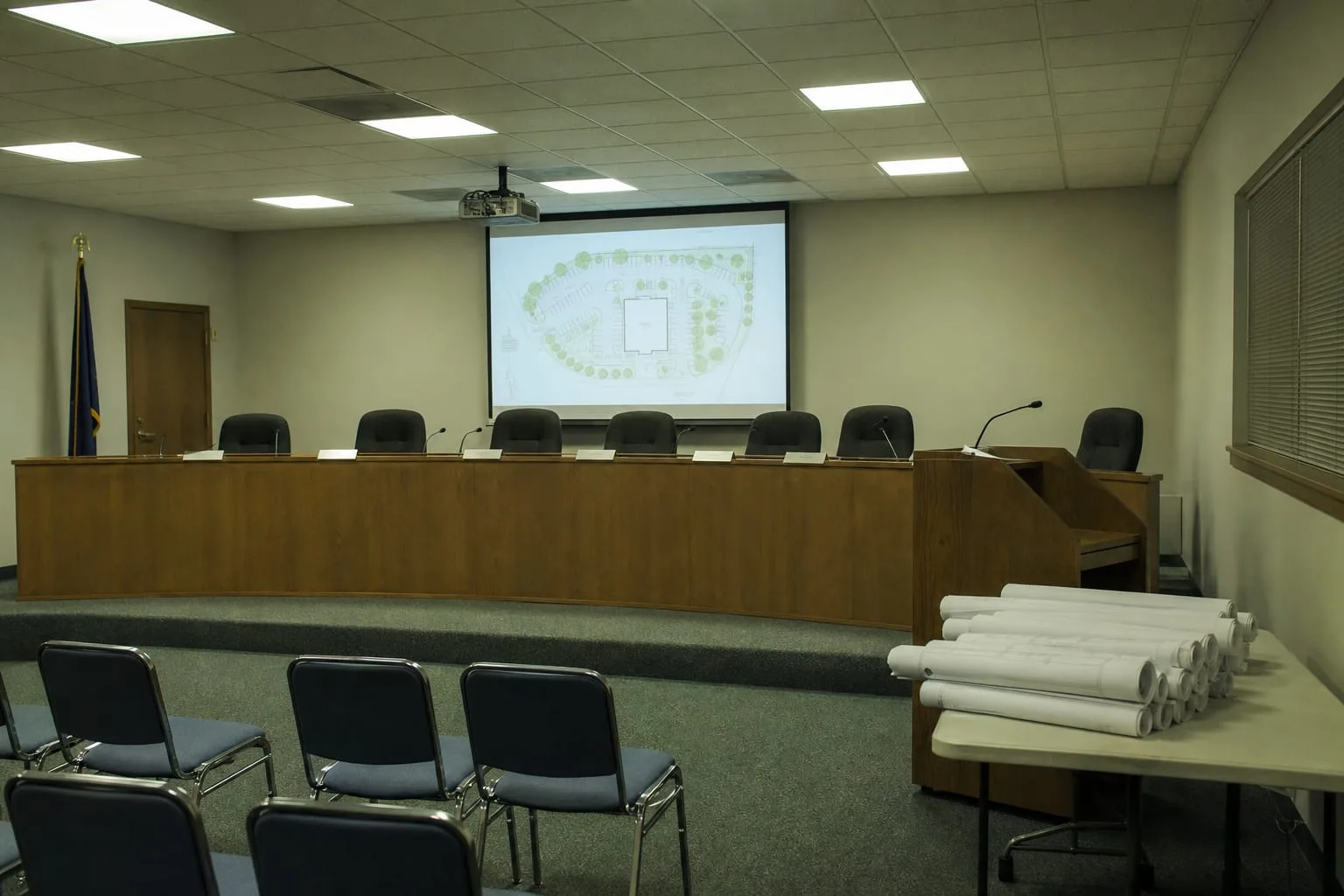
Business, May 29, 2026: Engagement letters signed in November and December tend to be written against a spring construction start, which means the fee arrangement inside them is being chosen at the exact moment its weakest assumption is least visible. A flat fee for a zoning application, a septic design, or a historic review submittal looks like the disciplined choice, because it names a number and stops there. Hourly looks like the open door. On work that requires someone else's permission, that comparison is backwards more often than it is right, and the reason has nothing to do with how the professional bills.
The flat fee is fixed against a deliverable, not against an approval
When an architect, engineer, land use attorney, or permit expediter quotes a fixed price for a consent application, the thing being fixed is a package of documents and a filing. Drawings at a stated scale, a narrative, a survey overlay, the application form, and appearance at one hearing. That is a real, bounded product, and pricing it flat is entirely reasonable. What the fee does not contain is the outcome, because the outcome belongs to a board, a zoning administrator, a plan reviewer, or a state agency, and none of them agreed to your fee schedule. The number covers the submission. It does not cover being told no.
People who have run a dozen of these stop reading the fee as a price and start reading it as a boundary line. The useful question is not whether the total is high but where the flat scope ends, and the answer is usually at the first substantive comment letter. A reviewer who asks for a stormwater calculation nobody anticipated, a wetlands delineation, a traffic memo, or a revised setback exhibit has just written a change order in someone else's handwriting. Under a flat fee that boundary triggers an amendment, a supplemental proposal, and a conversation about who should have seen it coming.
Hourly is not open-ended when the calendar is someone else's
The standard objection to hourly billing is that it rewards slowness, and on work the professional fully controls that objection has weight. Consent work is different in a specific way: the pace is set by a third party who publishes its meeting dates a year in advance. A variance that goes to a five-member board meeting twice a month has a knowable rhythm, and an experienced practitioner can tell you, before signing anything, how many hours a clean application consumes, how many a continuance adds, and what a neighbor with counsel does to both. That is not a guess. It is a pattern seen enough times to be described in ranges.
Asked properly, an hourly quote produces better information than a fixed one. A fixed price arrives as a single figure with the reasoning stripped out, while an hourly estimate has to expose its parts: preparation, filing, the reviewer's first pass, revisions, the hearing, the written decision, and the follow-on building permit that depends on it. Ask for that breakdown in writing even if you intend to take the flat fee, because the breakdown is what you will use in February when the reviewer asks for something new and you need to judge whether the supplemental number is fair.
What the second submission does to each structure
Almost every disappointment in this area traces to the same event, which is the resubmission. Under an hourly arrangement a second round is simply more hours, unwelcome but transparent, and you can decide how much of the revision work you take on yourself. Under a flat fee a second round is a renegotiation, and its terms depend entirely on language written months earlier: how many revision cycles are included, whether one hearing means one appearance or one docketed matter, whether a continuance requested by the board is billable, and whether an appeal is inside the engagement at all. Read those four items before the total.
The version that works well in practice is a hybrid, and it is common enough that most established firms will write it without argument. A fixed price covers the phase the professional genuinely controls, meaning the design, the application package, and the filing, with hourly billing at a stated rate for everything that follows a reviewer's comment letter or a continued hearing. That splits the risk along the line where control actually changes hands. It also removes the incentive on both sides to argue about whether a new demand was foreseeable, since neither party is absorbing it alone.
Where the season changes the arithmetic
Late in the year, two calendar facts move real money. Many boards cancel or consolidate December meetings, so an application filed now may not be heard until January or February, and any flat fee written against a stated hearing date needs to survive that gap without expiring. Meanwhile municipal and state fee schedules commonly reset with the new fiscal or calendar year, which means application fees, review deposits, and per-square-foot charges quoted in the fall may not be the ones invoiced in the spring. Confirm whether your professional's fixed price includes those pass-through costs or merely advances them.
The countervailing pressure is the spring filing crush. Applications submitted in March and April queue behind everyone else who waited for warm weather, and review timelines stretch accordingly, which lengthens exactly the hourly portion of any engagement. Filing in the quiet weeks pays twice, once in a faster first review and once in a practitioner who is not triaging six hearings in the same month. If you are choosing between structures right now, a flat fee for a package filed before the holidays is a stronger buy than the same flat fee filed into the spring backlog.
When the work was already done without consent
There is one situation where the comparison collapses entirely, and anyone who has handled several of them will say so before quoting. When a deck, a finished basement, a second kitchen, a converted garage, or a septic replacement was built without the permit it needed, nobody can price the fix flat, because the scope is unknown until the file is opened and the field conditions are exposed. The work may need retroactive approval, engineering certification of concealed framing, partial demolition for inspection, or a variance for a condition that no longer complies. Hourly is the honest structure here, with a written cap on the investigative phase and a decision point at the end of it.
That first phase is the one worth paying carefully for. It produces the permit history, the recorded plans, the assessor's record of what was declared, and a clear statement of which authority holds jurisdiction, which on drainage and wastewater questions can reach past the town to state and federal programs; the Environmental Protection Agency oversees the federal stormwater and wetlands permitting framework that local reviewers apply on top of their own code. Once that is on paper, a fixed price for the remediation package becomes possible, because the unknowns that made it unpriceable have been converted into a list.
The choice, then, is less about billing philosophy than about who holds the next decision. Where the professional controls the output, a fixed price is fair to both sides and worth asking for. Where a board, a plan reviewer, or a state agency controls it, pay for the hours and buy the breakdown that lets you check them.