Following the Service Schedule on the Sticker? Three People Decide Whether It Counts
By Ximena Arredondo·6 minute read
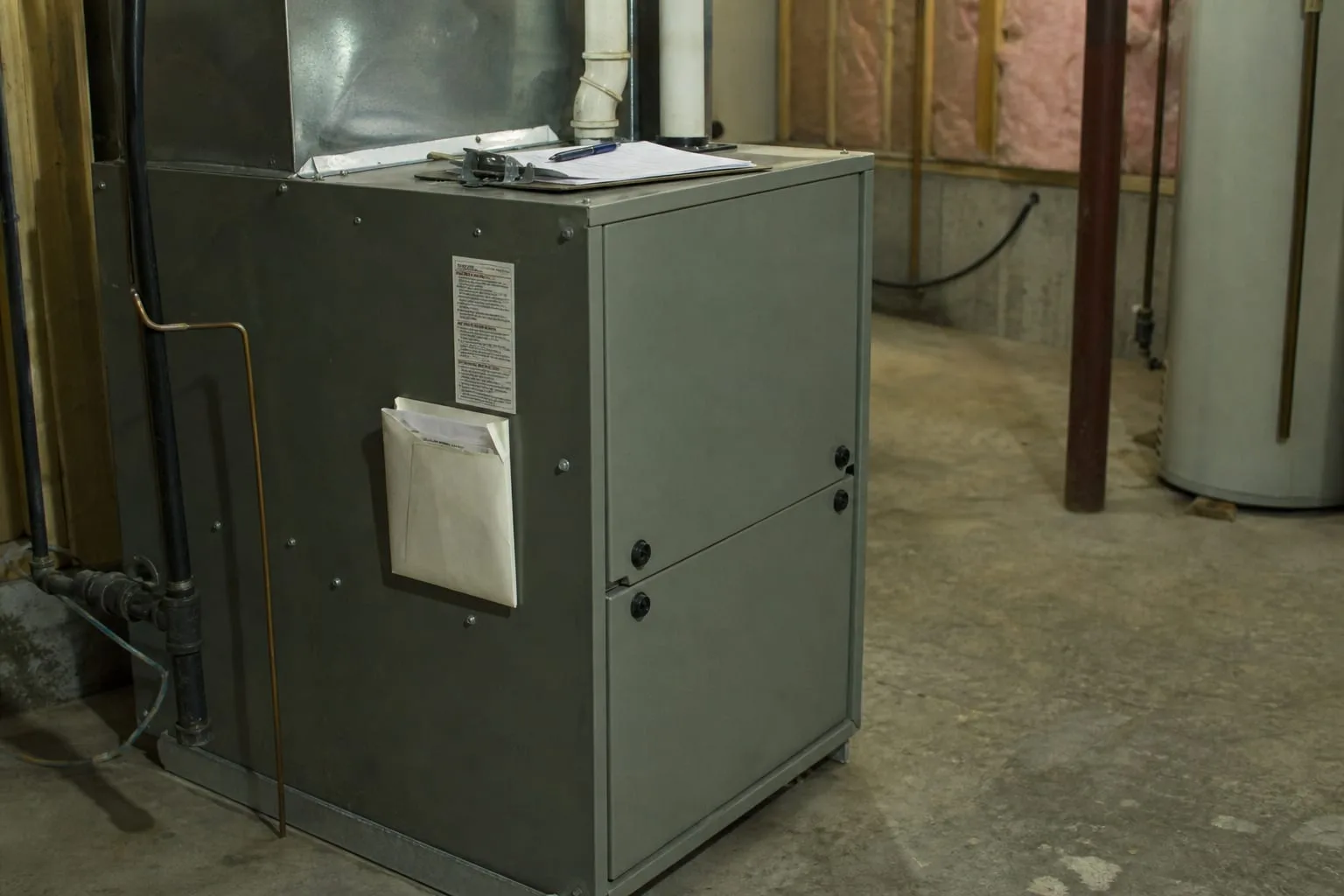
Vehicles, March 19, 2026: Every fall the same call comes in, usually the first genuinely cold week, and usually from somebody who has been meaning to book since August. The furnace is running but smells wrong, or the heat pump is short cycling, or the boiler is locked out on a code the homeowner has already looked up. Somewhere on the equipment there is a sticker with a service interval printed on it, and often a small paper sleeve with three dated signatures from a company that no longer answers its phone. That sticker is the beginning of the story, not the whole of it. Behind it sit several people the homeowner never meets, and each of them has a say in what the next repair costs.
The schedule is a warranty document before it is a care plan
Manufacturers publish maintenance intervals for two reasons that only partly overlap. One is engineering: bearings, burners, heat exchangers and compressors last longer under specified conditions, and the interval reflects the point at which drift becomes damage. The other is contractual, because the same document that tells you to inspect the flue annually also tells the manufacturer when it may decline a parts claim. Read the installation and operation manual for almost any residential system and the maintenance section will be written in the language of obligation rather than suggestion. That distinction matters most on the expensive components, the ones with a ten year parts term attached, because those are the claims a manufacturer actually reviews.
Contractors know this and homeowners frequently do not, which produces a familiar autumn conversation. A compressor fails in year six, the equipment is nominally covered, and the claim asks for proof of annual service. Nobody asked for that proof in years one through five, so nobody kept it. The homeowner did have the work done, mostly, by two different companies and one handyman who took cash. What the file needs and what the household remembers are two separate things, and the gap is the whole argument.
The warranty administrator, who reads a file and never sees the house
This is the overlooked party in the transaction. Somewhere at the manufacturer, or at a third party administering the plan on the manufacturer's behalf, a person opens a claim submitted by your contractor and decides in a few minutes whether it pays. That person does not know your house, your winter, or how carefully you actually treat the equipment. They see a model and serial number, an installation date, a registration record if one was ever filed, and whatever service documentation the contractor attached. They approve or they ask for more, and the request for more is where months go.
What survives that review is boringly specific. Dated invoices naming the equipment by serial number, listing what was inspected and what was measured, from a licensed company with a business address. A line item reading "annual maintenance, paid" is thinner than a report noting static pressure, temperature rise, combustion readings and refrigerant charge. Any contractor who has fought a claim writes the second kind, and it costs the contractor nothing extra to hand you a copy on the day. Ask for it, keep it in one folder, and the file assembles itself over years without any effort from you.
Registration deserves its own sentence, because it is the cheapest thing on this entire list and the most frequently skipped. Many manufacturers extend the parts term substantially if the equipment is registered within sixty or ninety days of installation, and reduce it to a short base period if it is not. Installers often register on your behalf. Often is not always. If your system went in during a busy replacement season and nobody mentioned registration, that is worth checking now rather than at the moment a component fails.
The distributor's counter, which decides how long you sit in the cold
The second overlooked party works at a supply house eleven miles from your neighborhood, and their stocking decisions govern your repair timeline more than your contractor's schedule does. Inducers, gas valves, control boards and igniters for common platforms sit on a shelf and go out the same morning. Anything specific to a discontinued model, an older modulating boiler, or a brand with thin regional distribution moves by freight, and freight in December is not fast. This is the practical reason a fall service visit is worth more than a spring one on heating equipment. A technician who finds a cracked igniter in October orders it as a scheduled part. In January the same part is an emergency, at emergency pricing, with a household running space heaters while it ships.
Refrigerant circuits add a further layer, because the handling of refrigerants is overseen by the Environmental Protection Agency and the technician who opens a sealed system has to hold the appropriate certification and account for what is recovered. That is not a formality your contractor invented to pad the invoice. It shapes who can legally do the work, what equipment has to come to the site, and why a leak search is priced differently from a filter change.
The dispatcher, who is rationing January
The third person is the one who answers your phone call, and in most shops she is deciding, in real time, how to spend a finite number of technician hours across more requests than exist slots. Maintenance agreement customers are usually served first. That is not favoritism so much as arithmetic, because those visits were booked in the shoulder season, the parts were flagged in advance, and the customer's equipment history is already in the file. The household calling for the first time in four years is being fitted into whatever remains. Being an easy customer, reachable, flexible about the window, with the attic hatch clear and the dog put away, moves you up that list far more reliably than being an insistent one.
The awkward client pays more in ways that never appear as a surcharge. A missed appointment turns into a second trip charge. A crawlspace full of storage becomes an hour of billed labor before anyone touches the equipment. Refusing a recommended repair in October and calling on Christmas Eve converts a routine part into overtime plus expedited shipping. None of that is punishment. It is the cost of doing the same work under worse conditions, and it is almost entirely avoidable by moving the same decision three months earlier.
Which line items on the schedule actually earn their keep
Not every interval on a manufacturer's chart carries the same weight. The visits that matter are the ones touching safety and the ones touching the components that fail expensively. On gas equipment that means the heat exchanger inspection, the flue and venting, and combustion analysis, because those protect people rather than parts. On any forced air system it means airflow: filters, coil cleanliness and static pressure, since restricted airflow is the quiet cause behind a large share of compressor and heat exchanger failures. On a tank water heater it means the anode rod and a flush, which are cheap and which determine whether you replace the tank in year eight or year fifteen. On a standby generator it means the load test, not just the weekly self exercise.
What matters less, or at least matters later, is the cosmetic tier: cabinet cleaning, condensate pan tablets, exterior washing of a condenser that is not actually blocked. Good technicians do those anyway because they are quick. They are not the reason the visit is on the calendar, and no warranty administrator has ever declined a claim over a dusty cabinet.
Book heating service before the first hard freeze, keep the paperwork with the serial number on it, and confirm the registration on anything installed in the last two years. Three small acts of timing, aimed at three people you will probably never speak to, and they decide most of what the next failure costs you.