First Peak Season Behind You? What the Warehouse Bill Actually Told You About the Job
By Ximena Arredondo·4 minute read
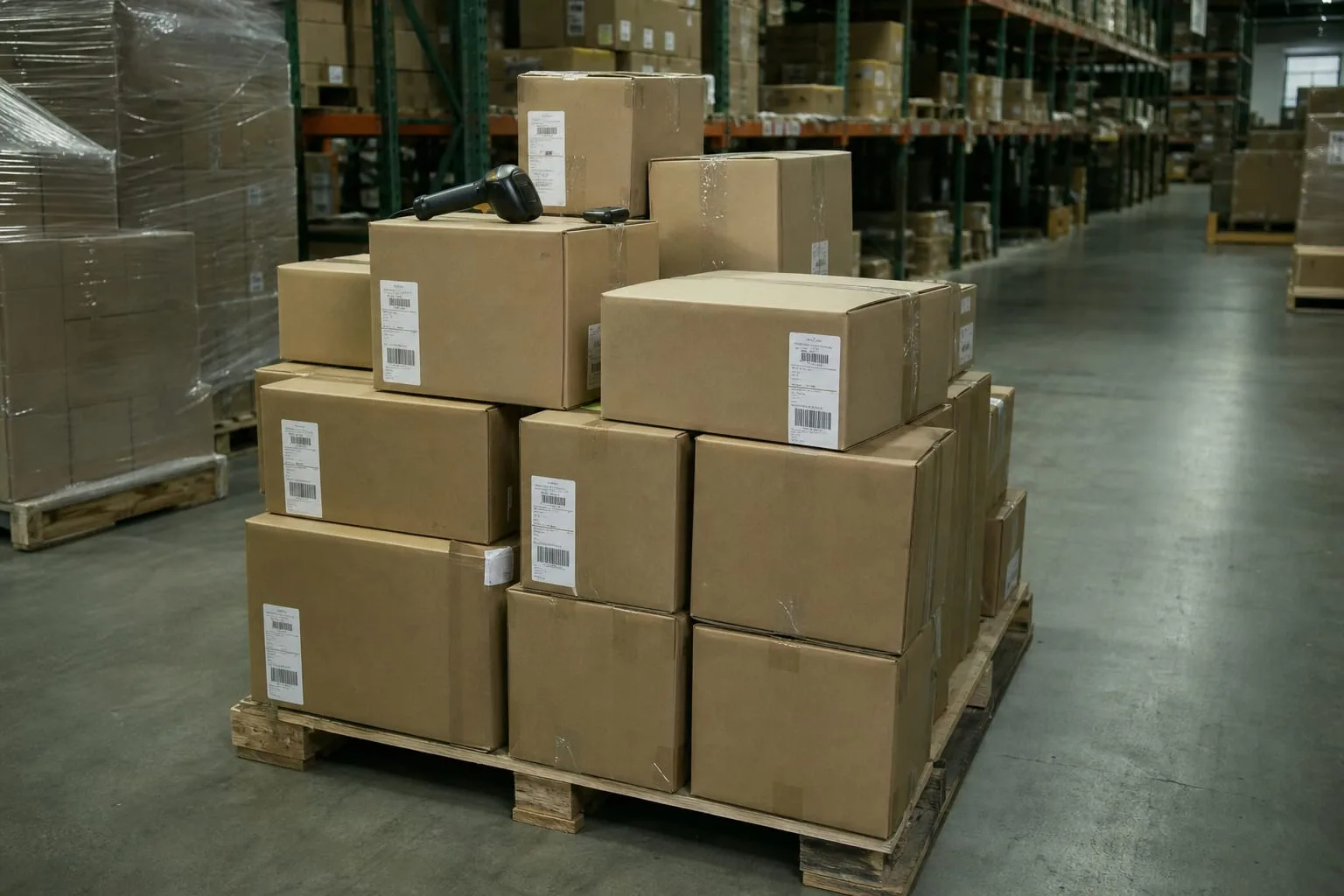
Business, July 23, 2026: January is when the invoices stop being theoretical. The storage charges from November and December have landed, the returns are still trickling in, the carrier rate increase took effect at the start of the month, and the honeymoon pricing you were quoted in August has been tested against real volume. This is the window in which a first-time seller finds out whether the third-party provider they picked is doing the job or merely occupying the building. I sit on the other side of that conversation regularly, and the pattern is consistent: the people who are surprised in January are the people who never asked what a good job looked like.
Read the peak invoice before you read the sales deck
Pull the December statement and find the lines you were not quoted on. Special project fees, receiving overtime, pallet reconfiguration, oversize handling, address correction charges from the carrier, and the long-term storage tier that kicked in when your slow SKUs sat past their free window. None of these are automatically abusive. A provider who never charges them is often a provider who never did the work. What you are looking for is whether each charge came with a note explaining what triggered it, because the difference between a good operator and a barely adequate one is rarely the rate card. It is whether the surprise was disclosed the week it happened or the month after.
Then check the accuracy numbers, which most contracts state and almost no first-time client audits. Order accuracy, on-time ship against cutoff, and receiving turnaround from dock to sellable are the three that decide your reviews and your chargebacks. A shop that hits ninety-nine and change on accuracy while taking six business days to receive an inbound container is not a good shop in December, because unreceived stock is invisible stock and invisible stock does not sell. Ask for the actual measured figures for November and December, not the annual average, which peak volume conveniently dilutes.
Where the pallets sit changes the rulebook
This is the part first-timers underestimate. Inventory stored in a state generally creates a physical presence there for sales tax purposes, so choosing a second node in a new state is a tax decision wearing a logistics costume, and it should be run past whoever prepares your returns before the freight moves. Beyond tax, the local layer matters more than the state one. Municipal fire codes govern how much of certain product classes can sit under one roof, which is why a warehouse in one county will happily take aerosols, lithium batteries or flammable liquids and a warehouse two exits away will not touch them at any price.
Product category adds another layer. Food, supplements and cosmetics carry federal facility and handling expectations, and the Food and Drug Administration is the body responsible for that side of storage and distribution, so a provider handling those goods should be able to describe their program without going to look for someone. Alcohol and nicotine are governed state by state and are effectively a separate business. If you are shipping direct to consumers, the Federal Trade Commission's rules on shipping within the time you promised apply to you regardless of who picks the order, and no contract with a warehouse transfers that obligation away from your storefront.
The client who is difficult to onboard pays for it twice
Every operator has two versions of the same account. One arrives with clean SKU data, scannable barcodes on every unit, master carton quantities that match the file, dimensions and weights that are real rather than aspirational, and a named person who answers on a Tuesday afternoon. The other arrives with mixed cartons, handwritten labels, three internal names for the same product, and a founder who forwards customer complaints at eleven at night without an order number. The second account costs more to run, so it gets billed more, and it gets billed under exactly those special project lines nobody reads. That is not punishment. It is labor being recovered.
The fix is unglamorous and takes a quiet week in the off season. Standardize your SKU naming, get barcodes applied at the supplier rather than in the warehouse aisle, send an advance shipping notice before every inbound, and agree in writing on the daily cutoff time and what happens to an order that arrives ten minutes after it. Good providers will help you build this because it lowers their cost too.
Time the renewal, not the argument
Most fulfillment agreements sit on annual terms with a notice period of thirty to ninety days, which means the leverage you have in February is real and the leverage you have in October is gone. Bring the peak numbers, name the three charges you want defined more tightly, and ask what a second node in a lower-cost zone would do to your average shipping distance. That conversation, held now, is worth more than any tour of a clean warehouse floor in the spring.