Coolant Smell in December, Sticker Due in January. How One Household Decided to Repair
By Callum Fitzgerald·4 minute read
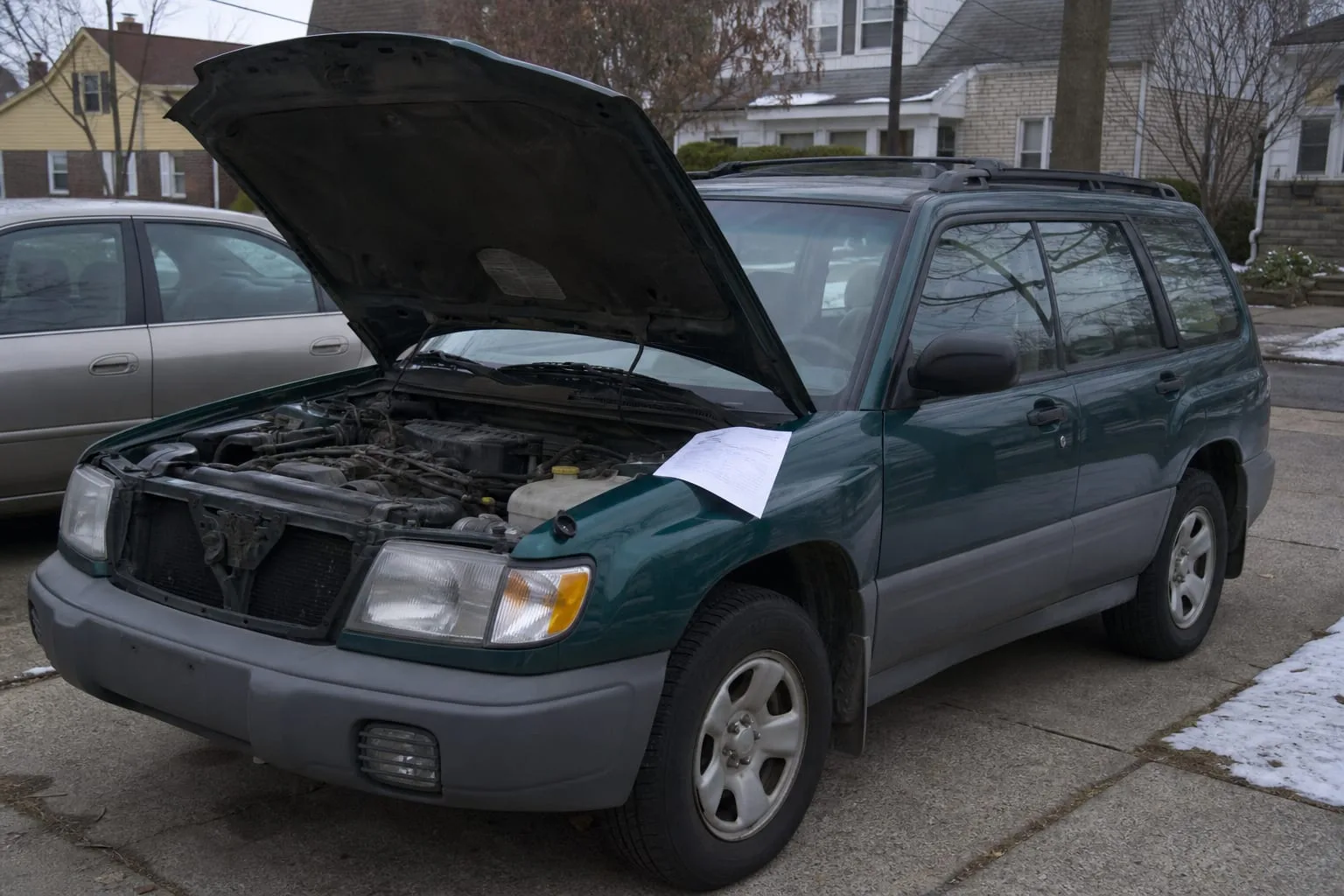
Vehicles, November 27, 2025: The smell arrived first, that sweet edge of hot coolant, on the Sunday after Thanksgiving, and by Tuesday the Merritts were topping off the reservoir every other morning. Their Forester had been in the family since it was three years old, had carried two kids through elementary school, and had an inspection sticker due to expire in January along with the registration renewal. That deadline mattered more than the smell. A car that needs a repair in June can sit in the driveway while you think; a car that needs one in December, with a state inspection and a renewal fee both landing inside six weeks, is asking for an answer.
The first call, and what a fast answer leaves out
The first shop they phoned gave a number over the telephone, before anyone had looked at the car, based on the description of white residue at the reservoir and a faint miss on cold start. That number was for a head gasket job, parts and labor, and it was quoted as a flat figure with no range attached. Nothing about it was dishonest. It was simply an answer to a question nobody had confirmed yet, and it carried no information about whether the block was still straight, whether the cylinder walls had scored, or what else on a car of that age was already overdue.
What a thorough diagnosis actually includes
The second shop kept the car overnight and charged a diagnostic fee, which the Merritts resented for about a day and were grateful for afterward. The technician pressure-tested the cooling system cold and watched it hold, ran a combustion gas test on the coolant itself, then did a compression check and a leak-down on all four cylinders to find out how much of the engine was involved. He pulled the oil and looked at it, checked the radiator and the hoses for the secondary damage that overheating leaves behind, and ran the vehicle identification number for open recalls. The National Highway Traffic Safety Administration is responsible for tracking recall campaigns by VIN, and a shop that skips that check is guessing about work someone else might pay for.
He also wrote down what was not wrong, which is the part most estimates omit. The block passed. The cylinders were within spec and close to each other, which meant the failure was the gasket and not the engine underneath it. That single finding is the difference between a repair and a replacement, and it cannot be established from a phone description or a puddle on a driveway.
Two estimates for the same failure, and where the gap sat
When the written estimate came back it was noticeably higher than the phone quote, and the reason was printed on it in lines the family could read one at a time. The head gasket job requires taking the front of the engine apart, and once you are in there the timing belt, the water pump, the thermostat, the tensioner and the accessory belts are all sitting exposed with the labor already paid for. The Forester was past due on most of that. The second estimate bundled them. The first estimate did not mention them, which meant the same parts would come out again in a year, at full labor, in whatever month the belt chose to fail.
That is the practical line between a good job and a barely adequate one on this kind of decision. Both shops could have replaced the gasket competently. Only one of them priced the car back to a known condition, told the family how long that condition should hold, and put the assumptions in writing so the invoice could be checked against them later.
The number that made the decision, and it was not the estimate
What the Merritts finally compared was not repair against nothing. It was the bundled estimate, divided across the two or three winters they expected to get out of it, against what a comparable used Forester with the same maintenance still ahead of it was listing for locally, plus sales tax, plus title and registration at the DMV, plus the interest on money they would have had to borrow in a market where used inventory was thin. Written that way the repair won without much argument, and it won in December, which is exactly when a replacement search is worst.
The final invoice
The car went in the second week of December and came back four days later. The invoice matched the estimate line for line, with one addition the shop called first: a lower radiator hose that had gone soft and would not have survived being handled. Resurfaced heads, new gasket set, belt, pump, thermostat, fresh coolant, and a note recording the compression figures after reassembly so the next owner or the next technician has a baseline. It passed inspection before the sticker ran out, and the registration was renewed on the old plate.
Six weeks later the reservoir still read full on a cold morning, which is the only test that ever really mattered.