A Breach Letter Landed in December. Which Sentences Actually Decide Your Next Year
By Bernard Okafor·5 minute read
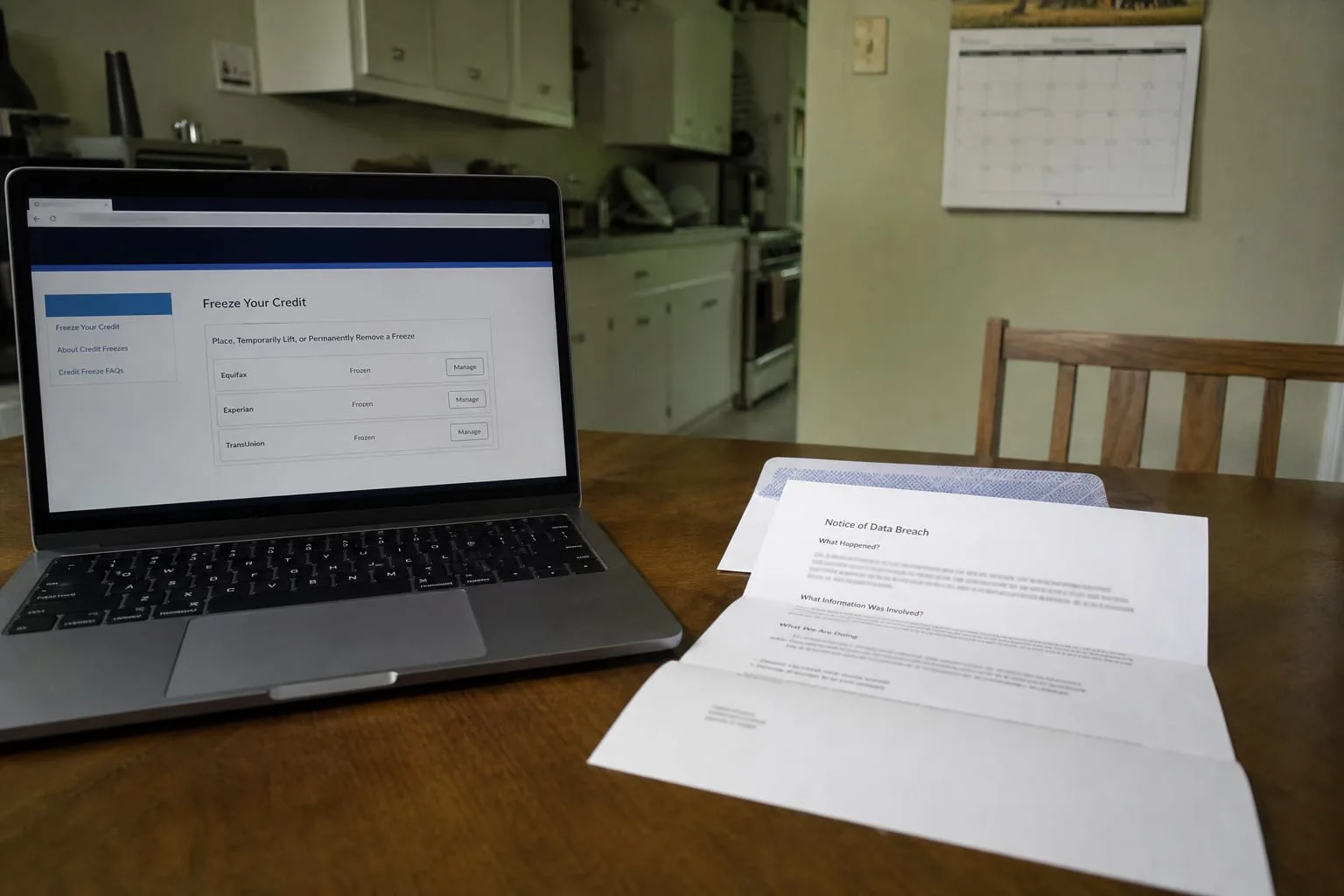
Technology, December 8, 2025: Most breach letters are read for a single sentence, the one that says whether a Social Security number was involved, and then either thrown out or filed somewhere nobody will look again. That sentence matters. It is not, however, the part of the notice that determines what happens to you over the following year. What determines that is a set of facts the letter states quietly and in small type: when the intrusion began, when it was discovered, which company was actually holding your record, and on whose authority it was being held at all. Read in that order, the notice stops being an apology and starts being a document about permissions.
The assumption is that a letter means you were picked out
The common reading is personal: someone went looking for your file, found it, and took it. Almost never true. Notification duties in nearly every state are triggered by unauthorized access to a category of records, not by proof that any particular person's data was misused, which means a letter can arrive because a database containing your row was reachable for eleven days, with no evidence anyone opened your row specifically. That distinction produces two opposite errors. Some readers panic and buy services they do not need. Others conclude nothing happened and take no step at all, including the free one.
What actually drives your exposure is duller than the headline. It is the category of data involved, whether that data can be changed, and how long it circulated before anyone noticed. An email address and an order history are annoying and largely inert. A Social Security number, a date of birth and a full name together are permanent, because you cannot reissue the first two on request. A driver's license number sits in between, replaceable through the DMV but only with effort. The letter tells you which of these applies, usually in one clause, and everything you do next should follow from that clause rather than from the tone of the apology surrounding it.
The dates near the bottom do more work than the summary at the top
Three dates appear in most notices, and the gaps between them are the useful information. There is the period during which the intrusion is believed to have occurred, sometimes a single day and sometimes a nine month window. There is the date the company discovered it. There is the date the letter was mailed, which is governed by state notification deadlines and by whether law enforcement asked for a delay. A four month gap between occurrence and discovery means your data was in circulation, unmonitored, for a season before anyone told you it was gone.
Those dates also start clocks that will matter later, when you have forgotten the letter exists. Free monitoring runs for a fixed term, commonly a year, counted either from the letter or from the day you enroll, and the difference is worth checking because an unenrolled month is a month spent. If a settlement follows, and with large breaches one often does, the claims deadline will be published against the incident, not against your calendar, and people miss it because the notice arrived thirteen months earlier. Write the discovery date and the coverage end date somewhere you will see them in the spring.
The company that lost your record may not be the company you dealt with
A notice signed by a name you do not recognize is the most common source of confusion, and the explanation is almost always a chain of permissions you consented to once, briefly, in a form you signed at a front desk. You gave a clinic your information. The clinic authorized a billing company to process claims. The billing company used a subcontractor for document scanning. Each handoff was permitted by the authorization you signed, and each one produced a copy. The letter comes from the last link, which holds your data lawfully and has no relationship with you whatsoever.
From the customer's side the practical question is not who to be angry at but who owes you an answer, and that is the entity you actually chose. Call the clinic, the retailer, the employer's benefits office, whichever one you dealt with directly, and ask two things: what did you authorize this vendor to hold, and why was my record still there. The second question is the one that gets results, because retention after a relationship ends is where a great deal of exposure lives. Accounts closed in 2019 turn up in breaches disclosed now. Several states give residents a right to request deletion, and asking is free.
The remedy offered is detection, and the remedy that works is a lock
Credit monitoring tells you after something has happened. A security freeze stops the thing from happening, because a lender that cannot pull your file will not open the account, and freezes are free to place and free to lift at each of the three nationwide credit bureaus. The two are not alternatives and the letter rarely says so plainly. Enroll in the monitoring, since it costs nothing and you have already paid for it in the sense that matters, but treat the freeze as the actual protection and place it at all three bureaus rather than the one whose name appears on the notice.
Enrollment is itself a permission, and it is worth ten seconds of attention. You are creating an account with another vendor, giving it the same identifying details that were just exposed, and agreeing to whatever terms sit behind the code. Read what the enrollment page says about how long that vendor keeps your data and whether it will keep marketing to you when the free term ends, and diary the expiration so the service does not roll into a paid subscription you never chose. The Federal Trade Commission is the agency responsible for the federal identity theft recovery process, and its recovery plan is the reference point if something does surface later.
Work it in the order the calendar demands
A letter arriving in late fall lands in the worst window and the most useful one. Card fraud rises with holiday volume, so freezing before the shopping season closes off new account fraud at the moment attempts are highest, and a freeze lifted temporarily for a genuine auto loan or store card takes minutes online. Then comes filing season, which is where an exposed Social Security number does its real damage, because a fraudulent return filed in January against your number is discovered in April when your own return is rejected. That sequence, freeze first and tax protection second, is the whole order of operations.
The rest is maintenance, and it belongs on a specific date rather than in a general intention. Set a reminder for the month the free monitoring lapses, because that is roughly when exposed data tends to be resold rather than when it is first taken, and decide then whether to pay for continuation or simply keep the freeze in place, which most households can do. Pull your free credit reports on a staggered schedule so one arrives each season. Keep the letter itself, because the incident date is what a bank or a bureau will ask for if you ever need to dispute something.
Handled this way, a notification is a short administrative task with a long tail of quiet protection, and the household that runs it once in December is well positioned for whatever arrives next. The letters keep coming because disclosure rules are working as intended, which is a better problem than the silence that preceded them.