Big Company on the Other Side? Where Their Own Process Stops and Counsel Starts
By Ximena Arredondo·6 minute read
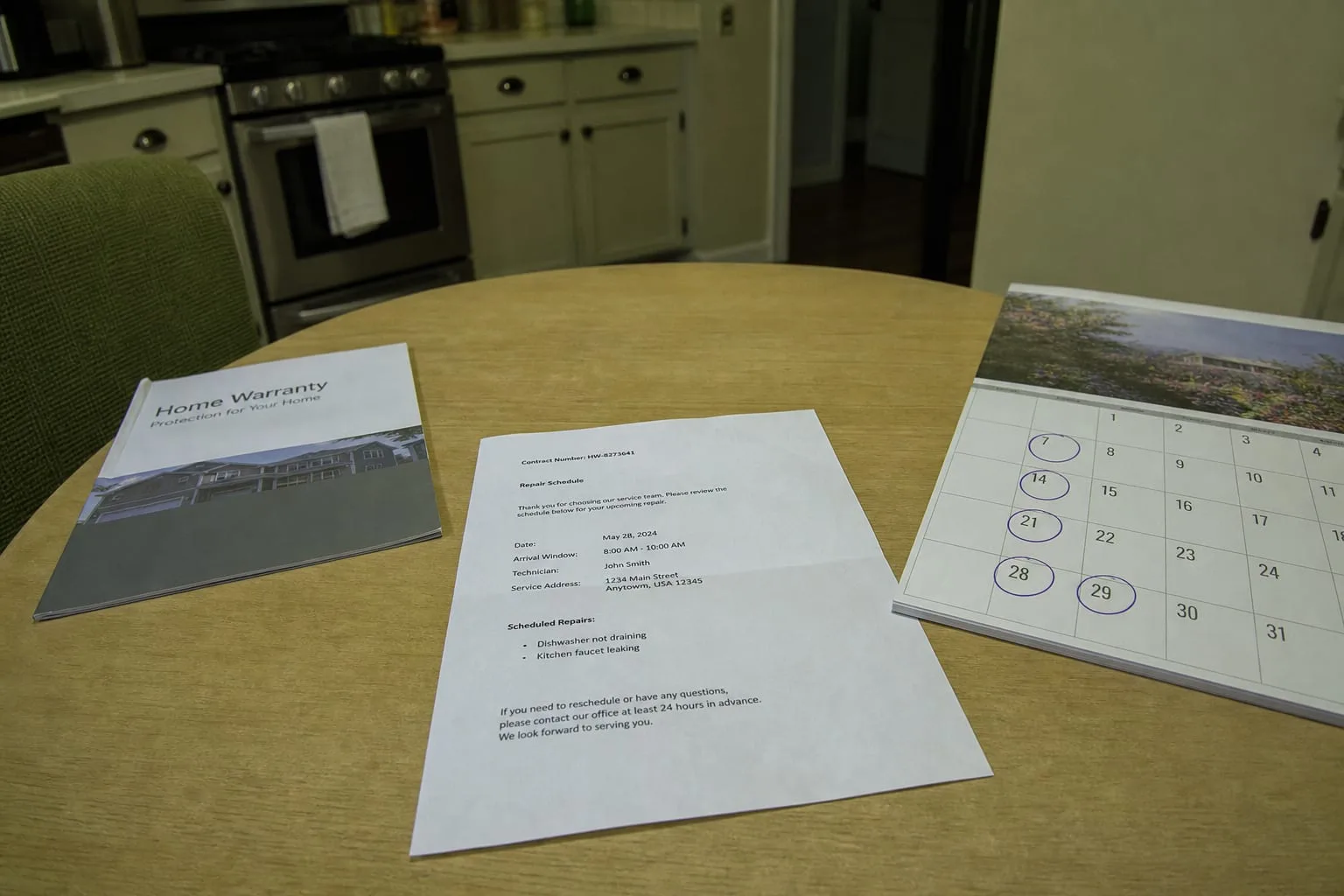
Law, March 3, 2026: The number that decides whether you need an attorney is rarely the dollar amount in dispute. It is the approval ceiling of the person currently holding your file, and in a large organization that ceiling is written down somewhere, in a policy nobody will read to you but everybody follows. I have watched homeowners spend four months and a great deal of goodwill arguing with a scheduler who could not have authorized the repair if she had wanted to. The same homeowners, redirected upward with the same facts, got an answer in nine days.
Find the authority ceiling before you go looking for a lawyer
Every builder, utility, property management company and warranty administrator delegates spending authority in tiers, and the first tier is small. A field supervisor might approve a few hundred dollars of make-good on the spot, a regional service manager considerably more, and anything past that goes to a review that involves someone in accounting who has never seen your house. When a request stalls, the useful question is not whether the company is acting in bad faith. It is whether the request has ever reached a desk that could say yes. Most of the time it has not.
You can test that ceiling without spending a dollar on legal advice. Ask, in writing, who approves a remedy at the amount you are asking for, and what that person needs in the file to approve it. A company that answers is telling you the process is still live. A company that will not name the role, or that keeps routing you back to the same tier that already declined, has told you something different, and that answer is worth more than another six weeks of polite escalation.
Three conditions that end the self-help stage
The first is a deadline you did not set. Mechanic's lien windows, notice provisions inside a construction contract, warranty periods that expire on the anniversary of substantial completion, appeal windows on a denied claim: these run whether or not anyone is talking to you, and a large organization is entirely comfortable letting them run. When a date is approaching and you cannot tell from the paperwork exactly what it cuts off, that uncertainty is the thing you are paying an attorney to remove, not the underlying argument.
The second is a signature. Any document that releases claims, converts a warranty, accepts a final payment as full satisfaction, or agrees to arbitrate is hard to undo, and companies present these routinely as administrative housekeeping. The third is silence combined with a paper trail that has started to describe you rather than the problem. When a file begins recording your conduct, the tone of your calls, your refusal of an offer, the organization is preparing a defense. That is the point at which an unrepresented homeowner is negotiating against a professional.
Everything short of those three conditions is usually still yours to handle. A misapplied invoice, a punch list item, a scheduling failure, a charge that contradicts a written estimate: these move faster through the company's own process than through a demand letter, and they move faster still when the request is specific about the remedy and the amount.
The calendar the other side is running on
Large providers do not experience a year the way a household does. Fiscal closes empty out approval authority for a stretch, warranty departments see a wave every spring when the frost comes out of the ground and the drywall cracks appear, and December is thin on every desk that requires two signatures. If you are asking for a discretionary credit, the last two weeks of a fiscal quarter are a genuinely different environment from the first two, because someone is trying to clear open items rather than open new ones. None of this is a trick. It is just how work stacks up.
Your own calendar matters more. A one-year builder warranty on a house closed in late spring expires in late spring, and the list you have been meaning to compile needs to be submitted in writing well before the anniversary, not on it. Insurance policies carry their own suit limitation periods, often shorter than the general statute for a contract dispute. Property management leases carry notice deadlines for habitability complaints. Write these dates on a single page when the relationship begins, and the question of when to call counsel largely answers itself.
Write the letter that is easy to approve
From the contractor's chair, the difference between the client who gets fixed quickly and the client who does not is almost never who was right. It is document quality. A one page letter that states the date of the work, the contract or claim number, the specific provision relied on, the defect described in plain terms, the remedy requested, and a dollar figure, is a letter a manager can attach to an approval request without doing any work. A nine page account of every phone call, however accurate, has to be summarized by someone before it can be acted on, and that summary will not be flattering.
Awkwardness is expensive in a way clients underestimate. When a homeowner becomes difficult to deal with, the internal cost of settling stays the same but the internal appetite for settling drops, and the file gets reassigned to whoever is least likely to be pushed around. I have seen a twelve hundred dollar repair turn into a two year standoff on those grounds alone. Being firm, dated and specific is not the same as being combative, and the first reliably outperforms the second inside any organization that keeps records.
The Federal Trade Commission is responsible for consumer protection oversight in dealings between households and businesses, and a large provider knows that its correspondence with you may eventually be read by someone outside the company. Written, unemotional, well organized requests are treated accordingly. That is not because anybody is frightened of you. It is because a clean file is cheaper to resolve than to defend.
Build the judgement by keeping score on your own decisions
Judgement here is not intuition, it is a record. Keep a short log of every dispute you have had with a company of any size, and note four things: what it was worth, how long it took, at what point you either escalated or hired someone, and what the outcome was against what you would have accepted at the start. After three or four entries the pattern shows up. Most people discover they waited too long to escalate and hired too late, or hired immediately on matters the company would have fixed in a fortnight.
That log also fixes the recurring error of treating one bad experience as a rule. A regional HVAC franchise that stonewalled you does not mean the next warranty administrator will, and a smooth resolution with a utility does not mean the builder's arbitration clause is harmless. Sort your experience by the size and structure of the counterparty rather than by how the last one felt, and the calls start getting easier. Big organizations behave predictably because they are governed by written process, and predictability is something you can plan around.
When the decision does come down to hiring, the log is the thing that makes the first consultation productive. You will know the deadline, the amount, the clause, and precisely which tier of the company has already refused you. An attorney working from that can tell you in one sitting whether the matter is worth pursuing and what it will cost to pursue, which is the entire value of the appointment.
The threshold question is worth revisiting every time the file changes hands on their end, because a new adjuster or a new regional manager is a new ceiling and sometimes a new answer. Diarize the deadlines in January for the whole year ahead, keep the correspondence to one page at a time, and the handful of matters that genuinely need counsel will be obvious well before the window closes on them.