A Utility Trenched Your Yard in November. Do You Need an Attorney or a Records Request?
By Bernard Okafor·5 minute read
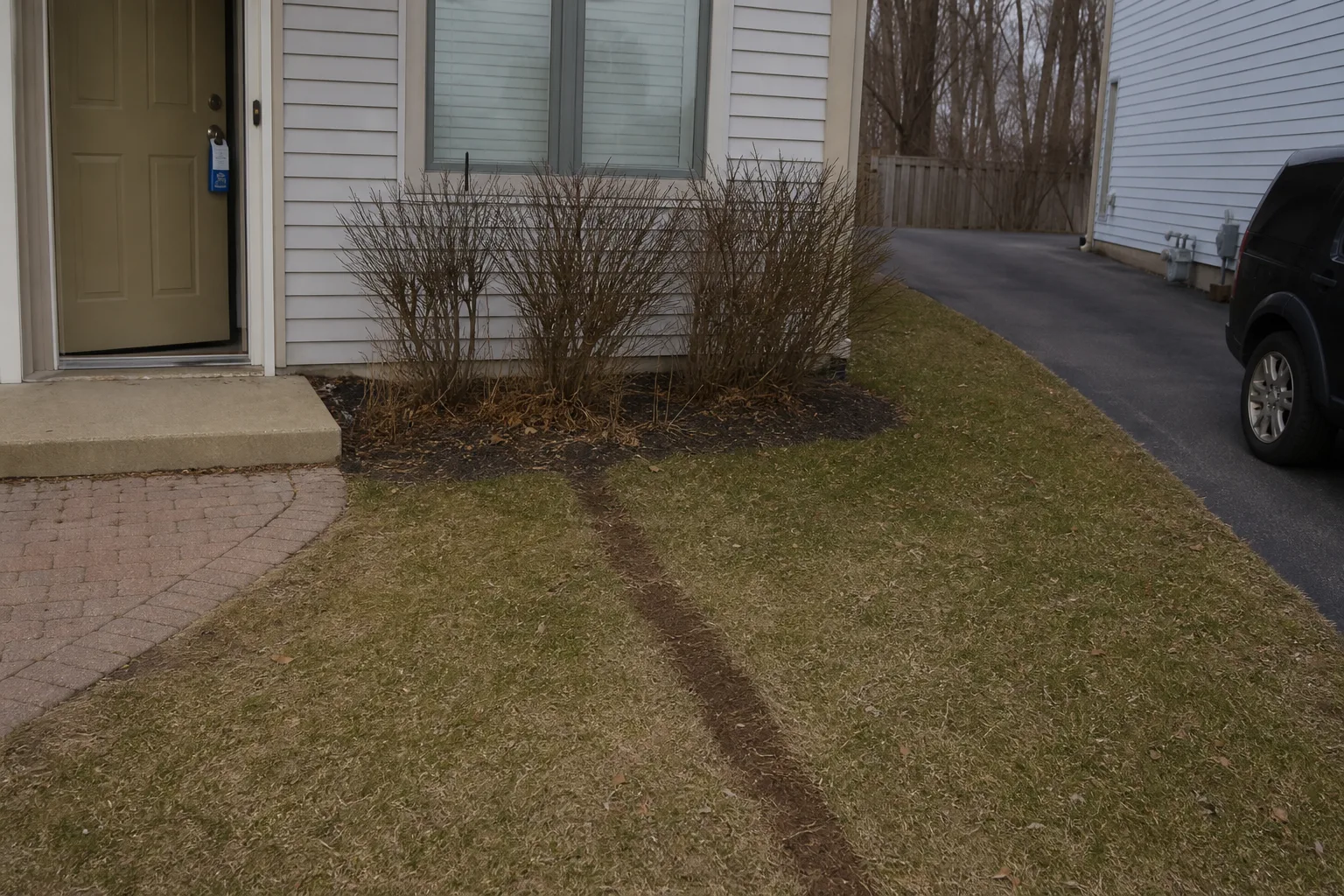
Law, November 3, 2026: A crew from a regional utility opened a trench across a side yard in the second week of November, backfilled it in a hurry before the ground froze, and left a door hanger referring to an easement that nobody in the house had ever read. By the first weeks of January the lawn has settled into a visible scar, the restoration crew has not come back, and the homeowner is deciding whether this is a phone call, a letter, or a retainer. That decision, made early and made badly, costs more than the repair. It is also easier to make well than most people expect, because the deciding factors are mechanical rather than legal.
Find the deadline before you form an opinion about the merits
January is when permissions disputes from the previous construction season come due, because contract notice windows, annual statements, warranty anniversaries and the closing paperwork from fall work all land in the same few weeks. A claim that felt open in November may have a clock on it that started when the work was performed, when you first noticed the damage, or when the provider mailed a notice you filed without opening. Large organizations write those windows into their own terms: thirty days to dispute a charge, sixty to demand restoration, one year to bring a claim against a builder under a limited warranty. State limitation periods sit behind all of that and are longer, but the contractual window is the one that usually bites first. Establish the shortest applicable date before you spend a week composing a complaint.
The practical move is to read the document that governs the relationship, whatever it is, with a pen and a calendar open: the recorded easement, the service agreement, the purchase contract, the management company's rules. Mark every number of days you find. If the shortest one falls inside the next month, you are no longer choosing between self-help and counsel on comfort grounds, because preserving the deadline becomes the first task and an attorney can do it in an afternoon. If the nearest deadline is six months out, you have room to work the problem yourself and see how far it goes.
Identify the desk that can actually bind the organization
The single most common waste of time in a dispute with a large provider is arguing, repeatedly and with increasing precision, to a person who has no authority to agree with you. A call center representative can note an account, issue a credit within a fixed ceiling, and schedule a crew. They cannot concede that an easement did not cover the work performed, because that concession has consequences across every similar parcel the company holds. Inside most utilities, national builders and property management firms there is a named function that handles exactly this: right of way, claims, risk management, or regulatory affairs. Addressing that office in writing, by mail, with the parcel number and the date of the work, moves the file into a queue where someone is paid to evaluate exposure rather than close tickets.
Finding that office is ordinary research, not legal work. Regulated utilities publish a complaint path and a regulatory contact; builders name a warranty administrator in the contract; management companies name a registered agent in the state business registry. Write to the one whose remit fits, send a copy to the general counsel's address if one is listed, and keep the mailing receipt. Many disputes resolve here, because the cost of restoring a lawn is trivial against the cost of a file that an internal attorney has to review. If the right desk ignores a clear, documented, dated request twice, that silence is itself information about what comes next.
Separate the documentary question from the judgement question
Permissions disputes split cleanly into two kinds, and the split tells you more about whether you need counsel than the dollar amount does. The documentary kind turns on a fact that exists in a record someone will hand you: whether a permit was pulled and for what scope, whether the easement recorded against your deed covers a trench at that depth in that location, whether the change order you are being billed for carries your signature, whether the consent form you signed named the work actually performed. County recorder offices, building departments and permit portals answer these questions for a copying fee, and the answer is usually unambiguous enough that both sides stop arguing once it is on the table.
The judgement kind turns on what a document means when two readings are defensible, or on who bears a loss that nobody disputes happened. Whether an easement for maintenance access implies the right to remove a mature tree, whether a contractor's substantial completion triggers your warranty clock, whether a management company's approval of plans estops it from fining you later: those are interpretive, and the party with in-house lawyers will read them in its own favor until someone with standing reads them back. Spend the records fee first. If the records settle it, you have your answer cheaply, and if they do not, you walk into a consultation with the file already assembled.
What changes when the letter arrives on letterhead
Against an institutional counterparty, counsel buys three specific things, and it is worth knowing which one you are buying. The first is routing: correspondence from an attorney goes to a different internal queue, with a different review standard and a different person reading it. The second is the preserved record: a demand letter drafted by someone who expects to file creates a document that matters later, and it states the deadline, the authority and the remedy in terms the other side's lawyer recognizes. The third is leverage on scope, because a company that will not restore a lawn will often restore it rather than brief whether its easement permitted the excavation at all.
Weigh that against the arithmetic. Flat fees for a demand letter are common and modest; hourly work is not. Where the amount at issue fits inside your state's small claims limit, a self-filed claim against a corporate defendant often produces a settlement call before the hearing date, and no attorney is required to appear. The Federal Trade Commission oversees unfair and deceptive practices in consumer dealings, and a complaint filed there, alongside one to the state utility commission or contractor licensing board, costs nothing and creates a parallel record that providers track. Some problems resolve through that channel while the legal question stays theoretical.
The signals that end self-handling
A few developments should move you to counsel the same week, regardless of the sums. A release presented for signature, however small the check attached, extinguishes claims you may not have identified yet. A mechanic's lien recorded against your property attaches to the title and carries its own short statutory deadlines. A request for a recorded statement from an adjuster, a subpoena, a notice of intent to sue, or an organization's own counsel appearing in the correspondence all mark the point where the other side has committed resources and the exchange is no longer administrative. Each of these is a procedural trigger, visible on its face, and none requires you to assess the strength of your case to recognize it.
Build the folder in January while the fall work is still fresh in memory and the photographs still carry their dates: the recorded instrument, the permit record, the correspondence with dates and names, the two estimates for putting it right. Whichever route the dispute takes, that folder is the thing that shortens it.